
China Top 10 Indoor Cushion Suppliers?
Indoor Cushions may look like a small home accessory, but choosing a supplier affects comfort, durability, consistency, and cost. The market context is substantial. Grand View Research valued the global home décor market at USD 696.47 billion in 2023 and projected continued growth through 2030. That figure covers far more than cushions, so it should not be mistaken for cushion-market sales. It does, however, show why buyers face a crowded and changing supplier landscape.
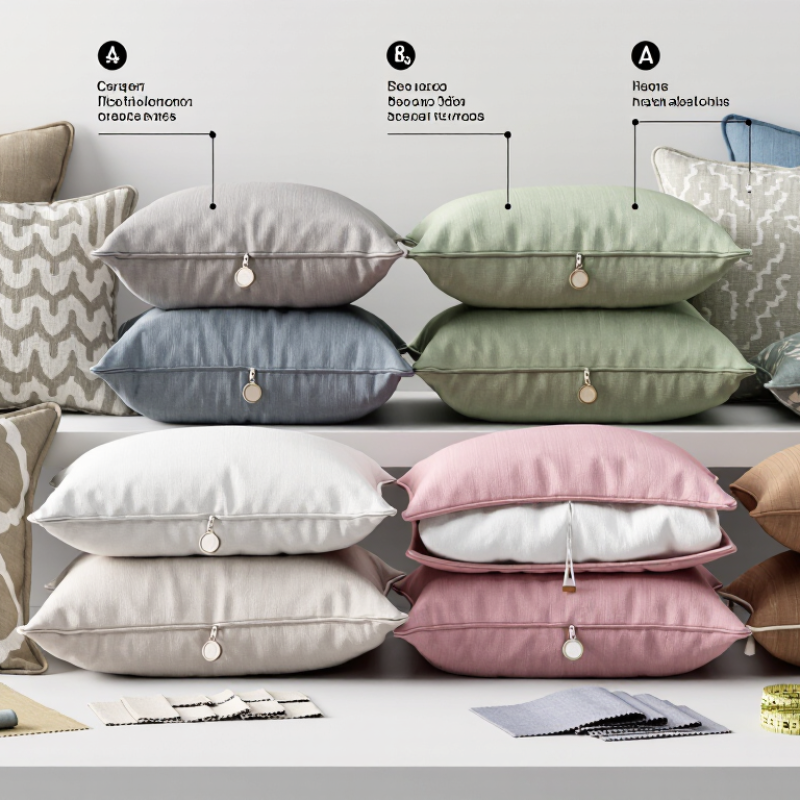
This guide compares ten China-based suppliers through practical sourcing questions: fabric options, filling materials, stitching, customization, order quantities, lead times, and communication. A swatch can feel soft under showroom lights, yet perform differently after repeated use. Ask for material details and samples, and check whether the supplier can maintain specifications across production runs. Dr. Sheng Lu, a professor of fashion and apparel studies whose research examines global sourcing, offers a useful perspective: sourcing decisions should weigh supplier capability and supply-chain conditions, not price alone. That is a paraphrase of his broader research, not a cushion-specific quotation.
The ranking is a starting point, not a guarantee. Public company information can be incomplete, and supplier capabilities may change. Verify claims directly before placing an order. Small details matter. A zipper, a seam, or a filling description can change the buying decision.
How China’s Indoor Cushion Industry Is Structured
China’s indoor cushion industry is best understood as a connected supply chain, not a list of identical factories. Fabric mills, foam and fiber-fill suppliers, sewing workshops, and finished-goods exporters each handle different stages. Some factories integrate cutting, filling, and stitching; others depend on nearby specialists. This division helps buyers request specific fabrics, shapes, and removable covers. It also makes supplier capability uneven.
The National Bureau of Statistics of China reported 655.7 billion yuan in operating revenue for furniture manufacturing in 2023, down 4.4% year on year. This figure covers the wider furniture sector, not cushions alone, so it signals market scale rather than cushion sales. Production clusters across eastern and southern China support access to materials and shipping services. Still, a supplier’s location does not prove it controls every production step. Smaller workshops may change subcontractors, and that detail is easy to miss.
Tips: Ask who supplies the fabric and filling. Request a sample with the intended stitching, then check seams, color consistency, and filling recovery after compression. A neat sample is useful, but it may not reflect every bulk order. Verify the process.
China’s Indoor Cushion Industry: A Typical Supply-Chain Structure
A process map of the main supplier roles—from materials to finished cushions. This is not a ranking of companies or a measure of market share.
What Criteria Define a Leading Indoor Cushion Supplier
A leading indoor cushion supplier is defined by repeatable quality, not a polished sample alone. Ask for fabric composition, seam-strength results, colorfastness tests, and documented filling specifications. These details matter when a cushion is handled daily, placed in sunlight, or cleaned repeatedly. Grand View Research valued the global home textiles market at about US$124.9 billion in 2023, indicating a large and competitive sector. Market size, however, does not prove that any individual supplier can deliver consistent products.
Material transparency is another useful test. Textile Exchange’s Materials Market Report 2024 estimated global fiber production at 124 million tonnes in 2023, with polyester accounting for 57%. A capable supplier should explain fiber origins and provide traceable material records, rather than relying on vague claims. Ask how recycled content is verified and whether batch-level documents are available. Good answers are specific.
Production control deserves equal attention. Request a pre-production sample, a clear tolerance range for dimensions, and inspection records from recent orders. Check concealed details: zipper smoothness, corner symmetry, and whether filling recovers after compression. Delivery reliability and clear communication also matter. No supplier is perfect. Even so, missed checks should be acknowledged and corrected, not hidden behind attractive photographs. A short trial order can reveal gaps before larger commitments.
Which Ten Chinese Suppliers Stand Out in the Market
China’s indoor cushion market includes factories with very different strengths. A useful ten-supplier shortlist should compare capabilities, not rely on a sales ranking. Look for specialists in sofa cushions, dining-seat pads, window seats, and made-to-measure shapes. Other standouts may focus on foam cutting, removable covers, custom sewing, or high-volume export orders. Some suppliers offer recycled filling options; others provide detailed fabric and color matching. These are useful categories, not verified company rankings.
Ask each candidate for fabric specifications, foam density, seam details, and care instructions. Request a sample in the intended size. Check whether its corners stay full and its cover fits without pulling. Production photos can help, but they do not replace a physical sample. One weakness in many comparisons is limited public information; a polished catalog alone proves little. Confirm lead times, minimum order quantities, and how defects are handled before placing an order.
Tips: Compare the same dimensions and materials across all ten quotes. Keep one sample as a reference. Ask who checks stitching and filling consistency, and request written answers. Small details matter. A low price may reflect thinner foam, fewer fabric choices, or less flexible customization, so compare the finished cushion rather than the headline cost.
How Their Products and Manufacturing Capabilities Differ
Indoor cushion suppliers in China differ less by catalog size than by how they control fabric, filling, and repeatability. Some focus on cut-and-sew flexibility, handling custom dimensions, piping, and small color runs. Others are equipped for volume, with automated cutting tables, standardized inserts, and tighter batch scheduling. That distinction matters. A showroom sample may feel plush, yet cushions can vary if foam density, fiber fill, or seam allowance is not specified. Ask for measurable specifications, not adjectives.
Useful checks include finished-size tolerance, zipper type, filling weight, fabric abrasion results, and colorfastness after cleaning. Factories serving hospitality projects may prioritize performance records and steady replenishment. Smaller workshops can be quicker with prototypes and unusual shapes. Neither model is automatically better. A single sample is reassuring, but it can also mislead. Request a pre-production sample, then compare it with a randomly selected unit from a later batch. Photograph seams, measure loft after compression, and record any odor or color differences. Price per piece is easy to compare; packing and defect handling are not. Supplier claims still need checking.
| Supplier Profile | Typical Product Focus | Common Filling Options | Cover and Sewing Capabilities | Customization Strength | Best-Fit Buyer Need | Points to Verify Before Ordering |
|---|---|---|---|---|---|---|
| 1. Foam-cutting specialist | Seat pads, bench cushions, and replacement cushions made to specified dimensions | Cut foam in different shapes and firmness levels; some offer layered constructions | Usually pairs foam work with sewn fabric covers, either in-house or through partners | Strong for custom shapes, thicknesses, and fit-to-furniture orders | Furniture brands and project buyers needing consistent cushion dimensions | Foam type, density and firmness specifications, dimensional tolerances, and testing records |
| 2. Polyester-fiber cushion maker | Decorative cushions, back cushions, and soft-filled accent pillows | Polyester fiberfill, sometimes with inserts supplied separately from covers | Commonly handles standard pillow shapes, piped edges, zippers, and basic embroidery | Good for varied sizes, colors, prints, and private-label packaging | Retailers seeking lightweight cushions in a broad range of styles | Fill weight, recovery after compression, cover composition, colorfastness, and packaging method |
| 3. Cut-and-sew cover specialist | Removable cushion covers and sewn cushion sets | May not manufacture inserts; filling is often sourced or specified separately | Focuses on fabric cutting, pattern matching, zippers, piping, quilting, and seam finishing | Strong for fabric-led designs and multi-panel or detailed cover construction | Brands that already have insert suppliers or need a specialist sewing partner | Pattern approval process, seam strength, zipper quality, fabric shrinkage, and inspection criteria |
| 4. Custom-shape cushion producer | Curved, contoured, corner, window-seat, and other non-standard indoor cushions | Cut foam, fiberfill, or combinations selected to suit the shape and use | Uses templates or approved patterns for shaped covers; complexity varies by design | Strong for made-to-measure orders and furniture-specific patterns | Interior projects, furniture makers, and replacement-cushion programs | Template ownership, measurement tolerances, prototype approval, and repeat-order consistency |
| 5. Quilted cushion manufacturer | Quilted seat pads, floor cushions, and padded decorative cushions | Fiberfill or thin foam layers enclosed within quilted fabric panels | Can produce stitched channels, panel quilting, and coordinated fabric constructions | Good for surface texture, coordinated collections, and repeatable patterns | Home-textile sellers looking for decorative or lightly padded products | Quilting consistency, layer slippage, wash-care instructions, and finished thickness |
| 6. Fabric-printing and cushion supplier | Printed decorative cushions and coordinated home-textile ranges | Fiberfill or standard cushion inserts are common; foam options depend on the factory setup | May combine digital or other fabric-printing processes with cover sewing | Strong for artwork, color variations, and collection-based designs | Online sellers and retailers with frequent print or seasonal design changes | Print method, color approval, repeatability between batches, fabric hand, and colorfastness |
| 7. Premium upholstery cushion maker | Furniture seat and back cushions using upholstery-weight fabrics | Foam, fiber wrap, or layered fillings selected for the intended seating feel | May offer piping, topstitching, tailored panels, and coordinated upholstery details | Good for material coordination and higher-detail cushion construction | Furniture brands and interior projects requiring cushions to match upholstery | Fabric abrasion and colorfastness data, foam specifications, seam construction, and sample approval |
| 8. Small-batch sampling and development workshop | Prototypes, design samples, and limited-run cushion orders | Can usually work with buyer-specified foam or fiberfill, subject to sourcing availability | Flexible sewing and finishing for iterative design changes | Strong for sampling and adjustments; large-scale capacity should be confirmed separately | New product development and buyers validating a design before scaling | Sample charges, revision limits, production capacity, and whether approved samples are retained |
| 9. Volume-oriented cushion factory | Repeat styles and larger runs of standard seat or decorative cushions | Typically relies on standardized filling and construction options for efficient production | Workflows may be organized around repeatable patterns and batch sewing | Best for established designs; extensive one-off changes may add complexity | Buyers with stable specifications and recurring purchase orders | Monthly capacity, production scheduling, batch quality controls, and changeover requirements |
| 10. Export-oriented home-textile supplier | Indoor cushions and coordinated soft-home products for overseas markets | Options vary by specification and destination-market requirements | May coordinate multiple fabric, sewing, packing, and product-development processes | Often suited to packaging, labeling, and assortment coordination when confirmed | Importers needing export documentation and consolidated product ranges | Applicable compliance documents, labeling, packaging tests, inspection standards, and shipping terms |
Note: These profiles describe common manufacturing models, not ten identified companies or a substantiated “top 10” ranking. Actual capabilities, minimum order quantities, lead times, certifications, and quality systems vary by supplier and should be confirmed with factory documentation and approved samples.
How Buyers Can Evaluate and Select a Suitable Supplier
Choosing an indoor cushion supplier takes more than comparing catalog photos and quoted prices. Check whether the supplier can match your fabric, filling, dimensions, and target order volume. Request a physical sample, then inspect its seams, zipper, rebound, and color under natural light. Details matter. A neat sample can still hide inconsistent production quality.
Textile Exchange’s Materials Market Report 2024 estimates that global fiber production reached 124 million tonnes in 2023. This scale makes material traceability a practical question, not just a marketing claim. Ask suppliers to identify fiber content and provide relevant test reports for colorfastness, shrinkage, and seam strength. Compare lead times, minimum order quantities, packaging, and defect-handling procedures in writing. For repeat orders, confirm whether fabric batches and cushion dimensions can remain consistent. A lower quote may exclude testing or careful packaging. That difference matters after goods arrive.
Tips: Send the same specification sheet to every candidate. Include cushion size, fabric composition, filling type, color reference, packaging, and expected volume. Ask for a sample from the intended production material, not a substitute. One limitation: samples cannot prove every bulk unit will match, so agree on inspection criteria before ordering.
Related Posts
-
Choosing the Right Manufacturer for Your Best Outdoor Home Collection Needs
-
10 Best Site Furniture Suppliers for Global Buyers?
-
Discovering Home Decorations Trends at the 137th Canton Fair Successes and Opportunities
-
How to Source At Home Furniture Wholesale Worldwide?
-
Essential Guide to Selecting Stylish Furniture for Your Global Purchasing Needs
-
Discover the Best Grand Furnishings Suppliers in China?

Catalog
Replacement Cushions
New Jersey Catalog