 Catalog
 Replacement Cushions
 New Jersey Catalog
Top 10 At Home Furniture Suppliers for Global Buyers
Choosing an At Home Furniture supplier is not just a matter of comparing catalogues. Global buyers need to assess product quality, customization, delivery capacity, and after-sales support. Grand View Research valued the global furniture market at USD 766.2 billion in 2023 and projected continued growth through 2030. That broad market estimate signals opportunity, but it does not guarantee that every supplier can meet an individual buyer’s requirements.
Logistics deserve equal attention. UNCTAD’s Review of Maritime Transport 2024 reports that more than 80% of world merchandise trade by volume travels by sea. For furniture buyers, that can mean weeks in transit, bulky cartons, and greater exposure to damage. Ask suppliers for material specifications, packaging photos, sample terms, and realistic production timelines. A low unit price may look attractive. Hidden costs can change the picture.
Value matters. Ingvar Kamprad, IKEA’s founder, wrote in The Testament of a Furniture Dealer: “To design a desk that may cost $1,000 is easy for a furniture designer, but to design a functional and good desk that shall cost $50 can only be done by the very best.” His point still resonates: affordability should not erase function or quality. Yet no supplier is perfect, and a polished website is not proof of dependable performance. The following top 10 list offers global buyers a practical starting point for comparing At Home Furniture suppliers, while encouraging direct checks on samples, certifications, and shipping terms before placing an order.
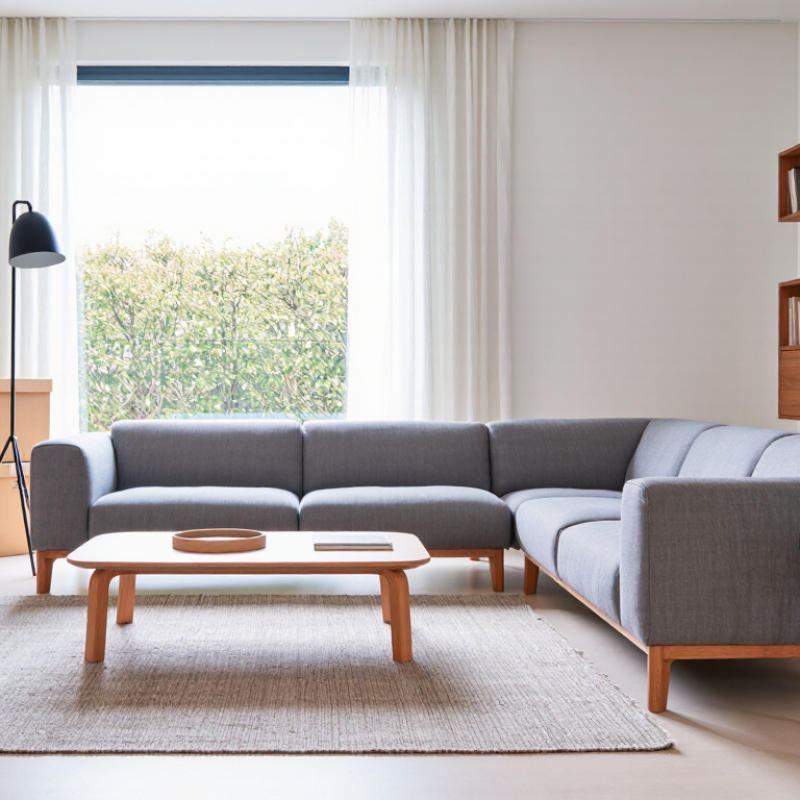
How the At-Home Furniture Supply Market Serves Global Buyers
The at-home furniture supply market connects global buyers with makers, wholesalers, and export-ready factories. Buyers can source sofas, dining sets, beds, and compact storage from one region or several. The right supplier depends on more than price. Material consistency, production capacity, packaging, and clear communication all affect whether an order arrives as expected. A pale wood sample may look warmer under warehouse lighting. Details matter.
For international orders, buyers often compare product specifications, sample quality, lead times, and shipping options before committing. Ask for measurements, fabric composition, finish details, and carton dimensions in writing. Photos help, but they cannot fully show a cushion’s firmness or a table’s surface texture. Requesting a sample or a small trial order can reveal gaps early. It takes time. Even careful planning misses something, especially when specifications are vague or revised late.
Tips: Set one shared specification sheet for every supplier. Confirm who handles export packaging and freight coordination. Check whether replacement parts are available for damaged or missing components. Keep a written record of approvals, including color and finish. If a quote seems unusually simple, ask what it excludes.
Top 10 At Home Furniture Suppliers for Global Buyers
How the At-Home Furniture Supply Market Serves Global Buyers — a comparison of established sourcing markets, not a ranked list of companies.
| Sourcing Market | Common Furniture Categories | Typical Materials and Capabilities | How It Serves Global Buyers | Buyer Considerations |
|---|---|---|---|---|
| China | Living-room, bedroom, dining, office, and outdoor furniture | Broad manufacturing base covering solid wood, engineered wood, metal, upholstery, and mixed-material products | Offers buyers a wide range of product types, supplier capabilities, and customization options within one sourcing market | Confirm factory capabilities, material specifications, product testing, and export documentation for each order |
| Vietnam | Indoor and outdoor wood furniture, seating, and bedroom furniture | Woodworking and furniture production, including solid-wood and wood-based products | Provides an established export-oriented manufacturing base for buyers sourcing furniture for international markets | Check timber legality and traceability, finish requirements, and the origin of all materials used |
| Malaysia | Wood furniture, upholstered seating, and bedroom and dining products | Furniture manufacturing that includes rubberwood and other wood-based materials, as well as upholstery | Supports buyers seeking wood and upholstered product ranges from a Southeast Asian manufacturing market | Specify wood species, moisture requirements, upholstery components, and applicable market standards |
| Indonesia | Wood furniture, occasional furniture, outdoor pieces, and woven furniture | Woodworking and craft capabilities, including products made with rattan and other woven materials | Offers buyers both furniture production and distinctive wood or woven-material product styles | Verify material sourcing, treatment requirements, construction consistency, and packaging for transit |
| India | Solid-wood furniture, bedroom and dining products, and decorative furniture | Woodworking, carved and handcrafted details, and production using a range of wood and metal materials | Serves buyers looking for solid-wood construction, decorative detailing, and varied product designs | Agree on approved samples, dimensions, finish consistency, and packaging before production |
| Poland | Upholstered furniture, case goods, bedroom furniture, and components | Established furniture manufacturing, including upholstered and wood-based products | Provides buyers with a European sourcing option and access to a range of furniture manufacturing capabilities | Review product conformity, material declarations, delivery terms, and the supplier’s production schedule |
| Germany | Residential and office furniture, seating, and storage systems | Furniture engineering and manufacturing across wood-based, metal, and upholstered product categories | Can serve buyers prioritizing product engineering, functional design, and European-market supply | Assess specification fit, customization scope, pricing, and any required product certifications |
| Italy | Upholstered seating, contemporary furniture, and design-led home furnishings | Design-focused furniture production, including upholstery, wood, and metal construction | Serves buyers seeking design-oriented products and specialized finishing or material combinations | Confirm design ownership, material availability, production quantities, and lead times for custom items |
| Portugal | Upholstered furniture, seating, tables, and wood furniture | Furniture manufacturing that includes upholstery and woodworking capabilities | Offers buyers a European production base for both upholstered and wood furniture categories | Validate fabric and component specifications, sample approval, and shipment terms for the destination market |
| Türkiye (Turkey) | Upholstered seating, bedroom furniture, dining furniture, and mattresses | Furniture manufacturing across upholstered, wood-based, and related home furnishing categories | Provides buyers with a regional sourcing option connecting furniture production to markets in Europe, the Middle East, and beyond | Confirm product standards, material composition, shipping route, and import requirements for the destination country |
Note: Capabilities vary by supplier and product. Buyers should verify current production capacity, materials, compliance documents, lead times, and shipping costs directly before placing an order.
Related Posts
-

How to Source Home And Furniture in 2026?
-

How to Source At Home Furniture Wholesale Worldwide?
-

How to Choose Stylish Furniture for Your Home?
-

Why Choose Styles Home Furnishings for Global Buyers?
-
Challenges in Choosing Best Quality Furniture for Your Home
-

What Defines High Quality Furniture: Key Characteristics to Consider