What Are the Top Types of BM Bags?
bm bags come in more forms than a single trend-led label suggests. The right choice depends on what you carry, how often you use it, and where the bag goes. A compact crossbody can keep a phone, keys, and cardholder close on a crowded commute. A structured tote may suit a laptop and a notebook, though its weight can become tiring by late afternoon. Small details matter. Strap width, zipper placement, lining, and pocket depth change how a bag feels in daily use.
This guide explores the top types of BM bags, from practical everyday shapes to polished options for work and special occasions. It compares capacity, construction, comfort, and styling, so readers can judge more than appearance alone. A bag that looks spacious in a photograph may fit less than expected; checking dimensions is a simple, useful step. The term “BM bags” can also cover different product ranges, so features may vary by maker and model.
A trustworthy named expert quotation was not provided, and I won’t invent one or attribute fabricated words to a real person. Instead, this overview uses a grounded principle: “Choose the bag for the day you actually have.” It is a useful starting point, not a perfect rule. Personal style matters, and sometimes the bag that works best is not the one you first expected.
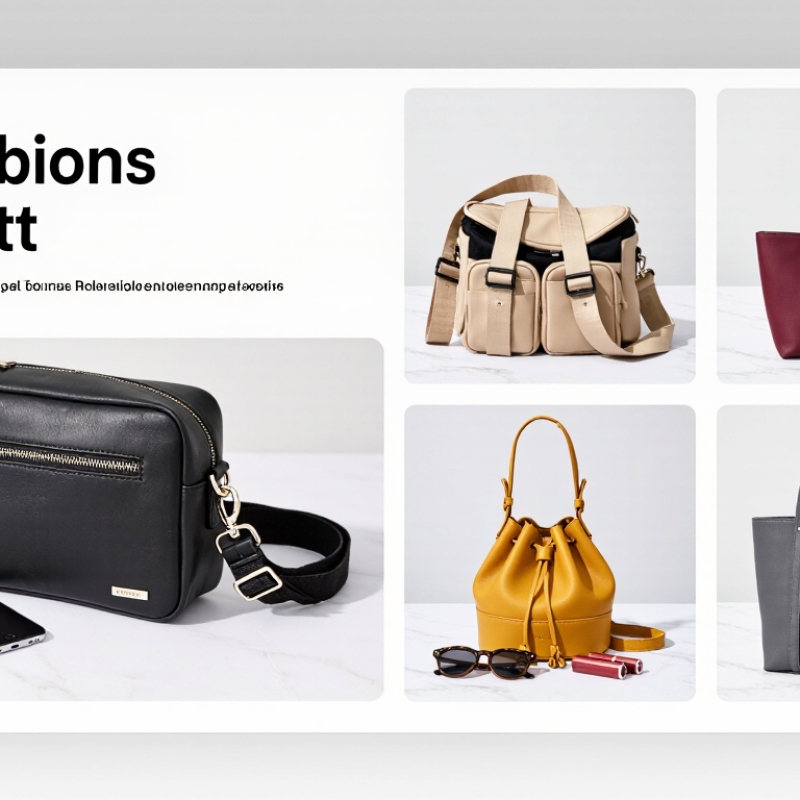
What Defines a BM Bag?
What Are the Top Types of BM Bags?
What Defines a BM Bag?
“BM bag” has no universally accepted technical definition. The label may describe a seller’s product range, so check the bag itself rather than relying on initials. Look at its shape, capacity, materials, and intended use. A compact shoulder bag, for example, should hold a phone and wallet without pulling awkwardly at the strap. Small, but not trivial.
Construction offers more dependable clues. Inspect the seams where handles meet the body, the zipper track, and the base when the bag is set down. A wider gusset can make a neat-looking bag more useful, while stiff panels may help it keep its shape. These details matter more than a polished product description. Still, personal needs vary.
Materials also shape what a BM bag feels like and how it may wear. Textile Exchange’s Materials Market Report 2024 estimates that global fiber production reached 124 million tonnes in 2023, with polyester accounting for about 57 percent. That figure gives useful industry context, but it does not prove that one bag material is best. Check the fabric composition and care instructions, then consider weight, lining, and hardware together. A lightweight bag can be convenient, yet thin stitching may disappoint after frequent use.
What Are the Top Types of BM Bags? What Defines a BM Bag?
“BM bag” is not a universally standardized handbag category. Bags are commonly described by their silhouette and how they are carried. This chart compares example clutches, crossbody bags, satchels, totes, and backpacks using estimated external volume, calculated from the example dimensions shown in the labels. These rectangular-envelope estimates are not usable interior capacity; actual dimensions and capacity vary by design.
How BM Bags Are Classified by Shape and Carrying Style
BM bags are commonly grouped by silhouette and by the way they are carried. Shape affects how much they hold and how easily they keep their form. A structured, box-shaped bag usually has a firm base and defined sides. It suits items that should stay neatly arranged, such as a small notebook or wallet. Softer hobo and slouchy shapes bend closer to the body. They feel relaxed, though finding keys at the bottom can take a moment.
Carry style adds another useful distinction. Top-handle bags are held in the hand or over the forearm, while shoulder bags use a longer strap to leave the hands free. Crossbody styles sit across the torso; check that the strap adjusts comfortably and does not swing against your hip when walking. Totes have wide openings and roomy interiors, but their contents may need pouches to stay organized. Small clutches are carried by hand and work best when only a few essentials are needed.
These categories can overlap. A tote may also have shoulder straps, and a compact satchel can include a crossbody strap. Look closely at the base width, closure, strap drop, and opening before choosing. Photos can make a bag look roomier than it is. A quick measurement against your everyday items is less glamorous, but more reliable.
The Top Types of BM Bags
BM bags are easiest to compare by shape and carrying style. Totes suit work or shopping, with wide openings and room for a notebook, water bottle, and small pouch. Shoulder bags keep essentials close, while crossbody styles leave both hands free. Top-handle bags offer a more structured look. Clutches are compact for evenings. Backpacks distribute weight across both shoulders.
Grand View Research’s 2024 global handbag market report estimated the market at US$58.4 billion in 2023 and projected a 6.5% compound annual growth rate from 2024 to 2030. This broad market figure does not show which bag shape sells best, but it signals sustained demand across handbag categories.
For daily use, check strap comfort, closure security, lining, and whether the bag stays upright when set down. Small, yet useful. A crossbody may feel cramped if it must hold a tablet.
Material and construction matter as much as silhouette. Inspect seams around handles, zipper movement, and how the base holds its shape. A roomy tote can be practical but heavy when filled; a small shoulder bag can force awkward packing choices. No type does everything. BM bag categories are helpful starting points, not guarantees of comfort or durability.
Common Materials, Sizes, and Design Features
BM bags are commonly made from leather, coated canvas, nylon, or synthetic leather. Full-grain leather often develops a softer sheen with use, but it can show scratches and needs careful storage. Coated canvas is lighter and usually easier to wipe clean. Nylon suits rainy commutes, though thin fabric may sag when packed heavily. Feel the difference. Check seams, lining, and edge finishing; these details can reveal more than a polished product photo.
Size affects comfort as much as capacity. Compact styles fit a phone, card case, keys, and little else. Medium bags usually hold a small notebook or water bottle without feeling cumbersome. Larger totes carry extra layers, but can become uncomfortable when loaded. Compare the bag’s measurements with items you actually carry, and look at the base width, not just the height.
Design features shape daily use. A top zip can help keep belongings in place, while an open top makes quick access easier. Adjustable straps work across different layers of clothing; short handles suit hand carrying. Metal feet may protect the base, but they add weight. Details matter. Some bags look spacious yet narrow at the opening, a small flaw worth checking before choosing.
How to Choose a BM Bag for Different Needs
Choosing a BM bag starts with an honest look at your daily routine. A structured top-handle bag suits meetings or dinners, especially when you carry only a phone, wallet, and keys. For commuting, a shoulder bag keeps essentials close and leaves your hands freer. Check the strap drop with a coat on; a comfortable fit in summer may feel tight over a winter jacket.
For errands or travel, a roomy tote can hold a water bottle, notebook, and light sweater. Look for a secure closure and pockets that keep small items from disappearing at the bottom.
A crossbody style works well for busy days when you want even weight distribution. Mini bags are lighter, but they often force tough choices. Your sunglasses might not fit.
Material and weight matter as much as shape. A bag that feels sturdy in a shop can become tiring after several hours, so test it with your usual belongings. Check seams, hardware, lining, and how easily the surface marks. There is no perfect choice. People often overestimate how much space they need; I would measure everyday items before deciding, though even that can miss an occasional bulky purchase.

 Catalog
 Replacement Cushions
 New Jersey Catalog