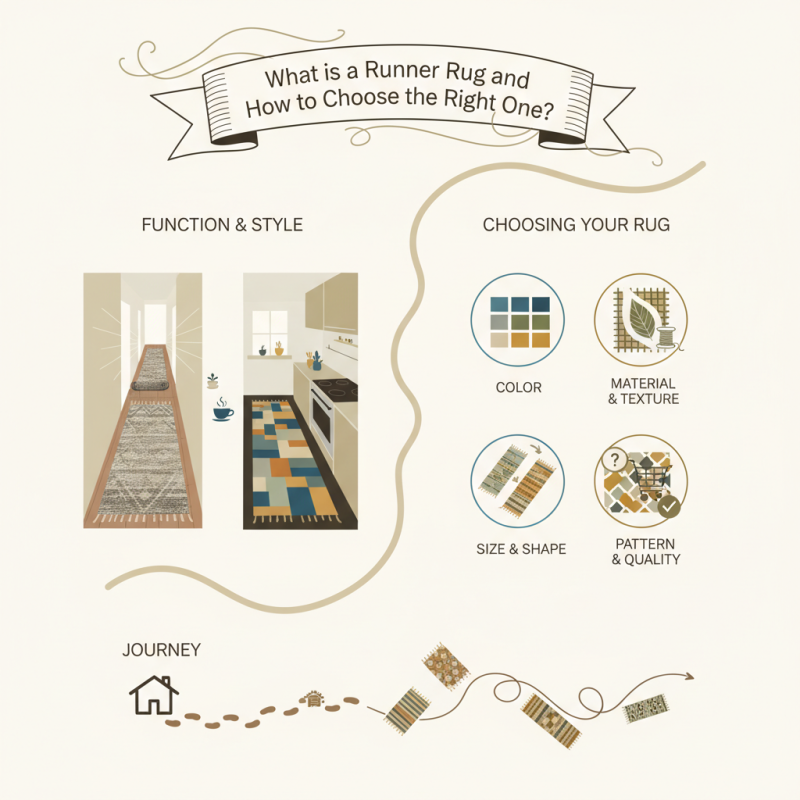
What is a Runner Rug and How to Choose the Right One?
Runner Rugs can transform a space. They are not just functional; they are also stylish. According to expert designer Sarah Johnson, “The right runner rug can elevate any hallway or kitchen.” This insight highlights the importance of selecting the perfect one.
Choosing runner rugs involves more than color. You must consider material, size, and pattern. A well-chosen runner can make narrow spaces feel welcoming. However, people often overlook their impact on room dynamics. It’s easy to buy impulsively. Take time to reflect on your home’s needs.
Texture and design play crucial roles too. A plush, soft runner can add warmth, while a sleek one offers a modern touch. Yet, price often dictates choices. Sometimes, the most affordable option may not be the best for your space. Consider quality and longevity instead. In the end, finding the right runner rug is a journey worth taking.
Definition and Characteristics of a Runner Rug
A runner rug is a narrow and elongated piece of carpet, designed to fit in hallways or narrow spaces. Typically, these rugs range in length from 2 to 14 feet and are about 2 to 3 feet wide. Their size makes them great for guiding foot traffic while adding warmth to any space. According to industry reports, the global rug market is expected to grow by 5% annually, indicating a rising demand for versatile decor like runner rugs.
The characteristics of runner rugs vary in terms of material and pattern. Wool and synthetic fibers are common choices, providing durability and softness. Industry studies show that rugs made from natural fibers can last longer but may require more maintenance. Bold colors and intricate designs help to create a visual interest. However, some designs may not complement all decor styles, making selection a thoughtful process. The wrong choice can feel overwhelming or mismatched in a room.
Functionality is another factor to consider. Runner rugs can absorb sound, reduce slips, and protect flooring. Yet, their placement is critical. An improperly placed rug can become a tripping hazard. Many homeowners ignore this practical need, focusing solely on aesthetics. It’s essential to assess both form and function to find the right fit for your home.
Popular Materials Used in Runner Rugs
Runner rugs are popular for their versatility and style. They come in various materials, each contributing to their look and feel. Common materials include woven cotton, jute, and synthetic fibers. Woven cotton is soft and comfortable, ideal for indoor use. It’s easy to clean but may fade in direct sunlight.
Jute is a natural fiber that adds a rustic touch. It’s durable and eco-friendly, perfect for high-traffic areas. However, jute can absorb moisture, making it less suitable for damp locations.
Synthetic fibers such as nylon and polyester offer a wide array of colors and patterns. They are stain-resistant and often more affordable. Yet, some people find them less comfortable underfoot.
Each material has its pros and cons. Consider your lifestyle and the rug’s placement. A more delicate material may not withstand heavy foot traffic. You might end up with a beautiful rug that doesn’t suit your needs. Think about maintenance, too. A high-maintenance rug could add stress rather than style.
How to Measure Your Space for the Perfect Runner Rug
Choosing the right runner rug starts with accurate measurements. Measure the length and width of your space. Consider door openings and furniture placement. This helps to avoid clashing styles or sizes.
Tips: Use a measuring tape. Record dimensions on paper. Check if it fits well. A rug that’s too small can make a room feel unfinished. A rug that’s too large may obstruct movement.
Take note of the layout in your space. If your hallway is narrow, a wide rug can overwhelm it. Look for a balance between the rug size and room dimensions. Test out a few options if possible. Sometimes, it’s hard to visualize without seeing them in place.
Think about the material as well. Some materials work better in high-traffic areas. Others may look great but wear quickly. Reflect on how you use the space daily. An ideal rug should be functional and aesthetically pleasing.
Styles and Designs to Consider for Runner Rugs
When selecting a runner rug, it's essential to consider various styles and designs that suit your space. A traditional runner is often rich in patterns and colors, suitable for classic settings. In contrast, a modern runner might feature geometric designs, offering a sleek appearance. Choose a design that complements your home's aesthetic.
Textured runner rugs can add depth. Think about materials like jute or wool. They provide warmth and comfort underfoot. A vintage look can enhance an entryway, while a vibrant color can energize a hallway. Pay attention to size. A rug that’s too small can feel lost; one that’s too big may overwhelm.
Tips: Measure your space carefully. Ensure your runner sits comfortably within the room. Consider the traffic intensity. A high-traffic area needs durable materials. Don’t overlook maintenance. Some designs are easier to clean than others. Reflect on how frequently you’ll need to care for your rug. After all, beauty is also about longevity.
Runner Rug Styles and Popularity
Tips for Maintaining and Cleaning Your Runner Rug
Maintaining a runner rug requires regular care to keep it looking fresh. Vacuuming is essential. Aim to vacuum your rug at least once a week. Be gentle around the edges. If your rug is in a high-traffic area, increase your vacuuming frequency. This helps eliminate dust and debris that can wear down the fibers.
Spills happen, and quick action is vital. Blot spills immediately with a clean cloth. Do not rub; this could spread the stain. For tougher stains, mix a solution of mild detergent and water. Test it on a small area before applying it to the stain. Rinse with a damp cloth afterward to remove any soap residue.
For deeper cleaning, consider professional services every year or two. These can help remove deeply embedded dirt and restore vibrancy. However, DIY options are also available. Some people think washing their rug in the machine is a good idea. It often leads to fraying edges or shrinking. It’s a gamble, and the outcome may not be as expected. Always carefully read care instructions. You may find your rug is more delicate than you assumed.
What is a Runner Rug and How to Choose the Right One? - Tips for Maintaining and Cleaning Your Runner Rug
| Dimension | Description | Cleaning Tips | Durability |
| 2'x5' | Ideal for narrow hallways or entryways | Vacuum regularly, spot clean with mild detergent | Moderate durability, suitable for low traffic areas |
| 3'x10' | Fits under furniture, great for entranceways | Professional cleaning recommended every 6-12 months | High durability, can withstand heavy foot traffic |
| 4'x12' | Perfect for longer hallways or multi-purpose areas | Shake out dirt, use a carpet cleaner as needed | Excellent durability, suitable for high traffic areas |
| Runner Rug Material | Variety of options including wool, synthetic, and cotton | Follow manufacturer’s instructions for specific materials | Durability varies by material; choose based on usage |

 Catalog
 Replacement Cushions
 New Jersey Catalog