


Top Tips for Finding Quality Hospital Furniture for Sale?
Finding quality hospital furniture for sale is crucial for any healthcare facility. An industry report from Healthcare Furniture Insights stated that 75% of hospitals plan to upgrade their furnishings in the next year. This shift reflects a growing recognition of how important the right furniture is for patient comfort and staff efficiency. "The right furniture can enhance the healing environment," says Dr. Emily Carson, a leading expert in hospital design.
However, the search for hospital furniture can be challenging. Many options are available, but not all meet the necessary standards. It's easy to become overwhelmed by choices. Hospitals often struggle with balancing cost and quality. Overlooking this can lead to poor investments in furniture that fails to meet the needs of patients or staff.
In this dynamic market, it's essential to be informed. Competitive pricing and superior quality are out there, but they require careful evaluation. The right choices can make a significant difference. In contrast, poor decisions can have long-lasting effects on a hospital's operation. Understanding what makes furniture suitable for healthcare settings is key to finding the best options in the hospital furniture for sale market.
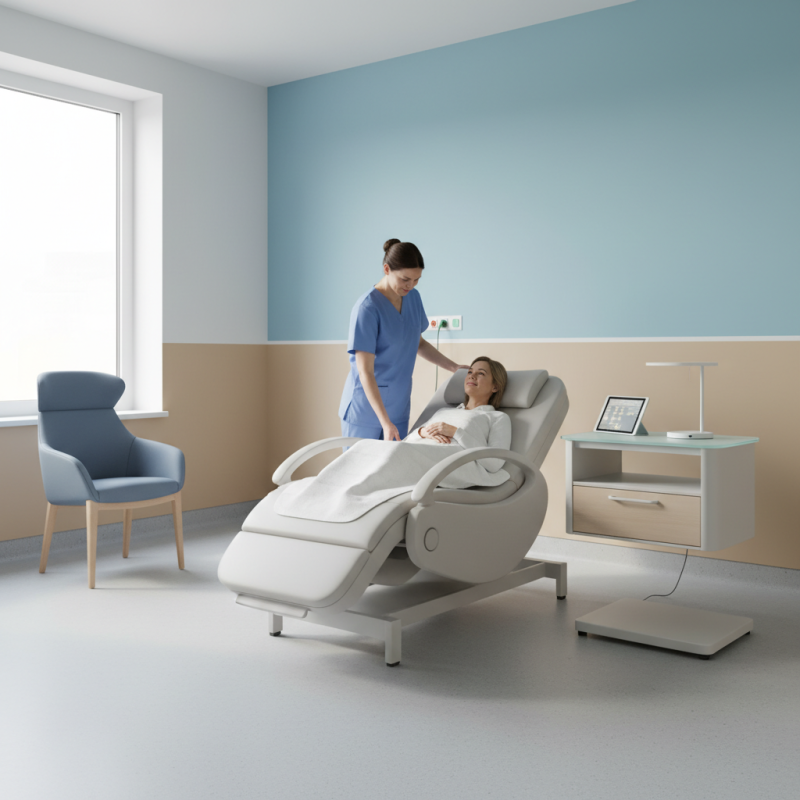
Understanding the Importance of Quality Hospital Furniture in Patient Care
Quality hospital furniture plays a crucial role in patient care. It impacts comfort and safety, directly affecting recovery times. According to a study by the Journal of Healthcare Engineering, high-quality furniture can reduce patient falls by 20%. Well-designed furniture promotes better mobility and accessibility, which is vital for patient independence.
Choosing the right hospital furniture requires careful consideration. One simple tip is to prioritize ergonomics. Furniture should support the body's natural posture, reducing stress on muscles and joints. Invest in adjustable beds and chairs to accommodate diverse patient needs. This will foster recovery and enhance the overall care experience.
Additionally, check the materials used in furniture. High-quality materials are more durable and easier to clean. This is essential for infection control and patient safety. Hospitals should aim for furniture that meets healthcare standards for hygiene. Neglecting this can lead to avoidable complications and extended recovery periods. Remember, investing in quality furniture positively influences patient outcomes.

Importance of Quality Hospital Furniture in Patient Care
Key Features to Look for in Hospital Furniture: Functionality and Safety
When selecting hospital furniture, functionality and safety are paramount. According to a recent report by the Healthcare Furniture Institute, 70% of hospital staff reported that ergonomic furniture positively impacts their performance. Ergonomic designs reduce strain and promote comfort, essential for long shifts. Look for adjustable beds and chairs that cater to various patient needs. These features enhance patient experience and improve workflow efficiency.
Safety cannot be overlooked. The World Health Organization suggests that 50% of patient falls occur due to inadequate furniture design. Choosing furniture with rounded edges, non-slip surfaces, and easy-to-clean materials reduces injury risks. Moreover, consider furniture that can withstand frequent sanitization. In a survey by the National Health Service, 65% of patients expressed concern over hygiene, stressing the importance of washable upholstery and antimicrobial surfaces.
Quality should not be sacrificed for low costs. Investing in durable and functional furniture pays off in the long run. Poor-quality items can lead to increased maintenance costs and patient dissatisfaction. However, balancing budget with quality presents a challenge. It requires careful research and prioritization of critical features. Always evaluate the long-term implications of your purchases.
Evaluating Materials and Durability: Ensuring Longevity in Healthcare Furniture
Choosing quality hospital furniture is crucial for any healthcare facility. Evaluating materials and durability is essential for ensuring longevity. Studies show that durable furniture can last up to a decade longer than lower-grade options. This significantly reduces replacement costs and the hassle of frequent purchases. For example, aluminum and high-density plastics are often recommended for their resilience and ease of cleaning.
When assessing furniture, consider both the materials used and the construction methods. Solid wood may provide longevity but can be more susceptible to wear and tear. On the other hand, metal frames are sturdy and often withstand heavy usage well. Look for stress-test results or certifications that indicate a product’s durability. Many healthcare facilities report that well-constructed items yield better patient satisfaction.
Tip: Check for warranties that cover defects. This ensures peace of mind for your investment. It’s also wise to observe how the furniture performs in various conditions. In real-world scenarios, you might notice that even the best-rated items can have limitations. Conducting regular evaluations helps identify items that may need repair or replacement sooner than expected.
Cost vs. Quality: Making Informed Budgetary Decisions for Hospital Purchases
In today's healthcare environment, balancing cost and quality in hospital furniture purchases is crucial. A recent report by the Healthcare Furniture Association reveals that over 30% of hospitals face budget constraints while upgrading their facilities. Choosing low-cost options may seem appealing, but it often leads to increased replacement rates and higher long-term expenses. The average lifespan of quality hospital furniture is about 10 years, while cheaper alternatives may only last a few.
Investing in durable furniture translates into better patient experiences. High-quality materials reduce maintenance costs and enhance hygiene. Hospitals that prioritize quality have reported a 20% decrease in patient complaints related to comfort. However, understanding your budget is essential. Finding the right balance requires careful consideration. Some facilities may overlook ergonomics, which can impact staff efficiency. Investing in furniture that promotes good posture can save money on workplace injuries and boost employee satisfaction.
Striking the right balance requires more than just looking at price tags. Evaluating the full life cycle costs of hospital furniture is vital. Make decisions based not only on upfront costs but also on durability and long-term impacts. A deep dive into these factors can lead to better purchasing outcomes for hospitals. Quality may come at a higher initial price, but the benefits can outweigh these costs significantly.
Sourcing from Reputable Manufacturers: Importance of Compliance and Standards
When searching for hospital furniture, sourcing from reputable manufacturers is crucial. Compliance with industry standards ensures safety and quality. Furniture must withstand daily use in a hospital setting. Durability and hygiene are paramount. Look for manufacturers that uphold rigorous testing protocols. Inspect their certifications and compliance records. These documents provide peace of mind.
Quality hospital furniture should be easy to clean. Surfaces must resist stains and bacteria. Comfort is equally important for patient wellbeing. Consider how furniture impacts the healing environment. Furniture that does not meet standards can compromise safety. This issue often gets overlooked during procurement.
Engaging directly with manufacturers can reveal much. Ask specific questions about their materials and processes. Inspect samples when possible. Check for wear and tear after some use. Sometimes, initial impressions can be misleading. Inquire about warranties and service agreements. Understanding these factors can lead to better investments.
Top Tips for Finding Quality Hospital Furniture for Sale
| Dimension | Material | Compliance Standards | Warranty Period | Price Range |
|---|---|---|---|---|
| Standard Bed Size | Metal & High-Density Foam | ISO 13485, CE Mark | 5 Years | $800 - $1200 |
| Overbed Table | ABS Plastic & Aluminum | ANSI/BIFMA, ISO 9001 | 2 Years | $150 - $300 |
| Patient Chair | Wood & Upholstered Fabric | Fire Retardant Standards | 3 Years | $250 - $500 |
| Surgical Table | Stainless Steel | FDA Approved, IEC 60601 | 10 Years | $3000 - $6000 |
| Trolleys | Metal & Rubber Castors | ISO 9001, CE Mark | 3 Years | $200 - $400 |

Catalog
Replacement Cushions
New Jersey Catalog