

What Is Home Furnishings A Global Buyers Guide?
Home Furnishings are more than sofas, lamps, and neatly folded linens. They shape how people rest, work, gather, and move through a room. For global buyers, choosing products also means weighing materials, construction, dimensions, care needs, and shipping realities. A handsome chair can disappoint if its proportions overwhelm a small apartment. A polished finish may need more upkeep than a busy household can manage.
Interior designer Nate Berkus has said, “Your home should tell the story of who you are, and be a collection of what you love.” That idea offers a useful starting point, but buying across markets adds practical questions. How does a fabric feel in daily use? Will a table fit through the doorway? Can replacement parts or clear care instructions be found later? These details matter. Product descriptions do not always answer them well, so buyers should ask for specifications, close-up images, and material information before committing.
A reliable buying guide should help readers compare style with function, not promise one perfect choice. It can explain common furniture and décor categories, outline what to inspect, and flag trade-offs between price, durability, and maintenance. It should also encourage buyers to check measurements and delivery terms for their own circumstances. Even careful shoppers miss details sometimes. That is worth admitting. Global sourcing can widen the range of choices, yet availability and product standards vary by supplier and destination. The pages ahead offer a grounded way to assess options, ask better questions, and choose furnishings suited to real rooms and routines.
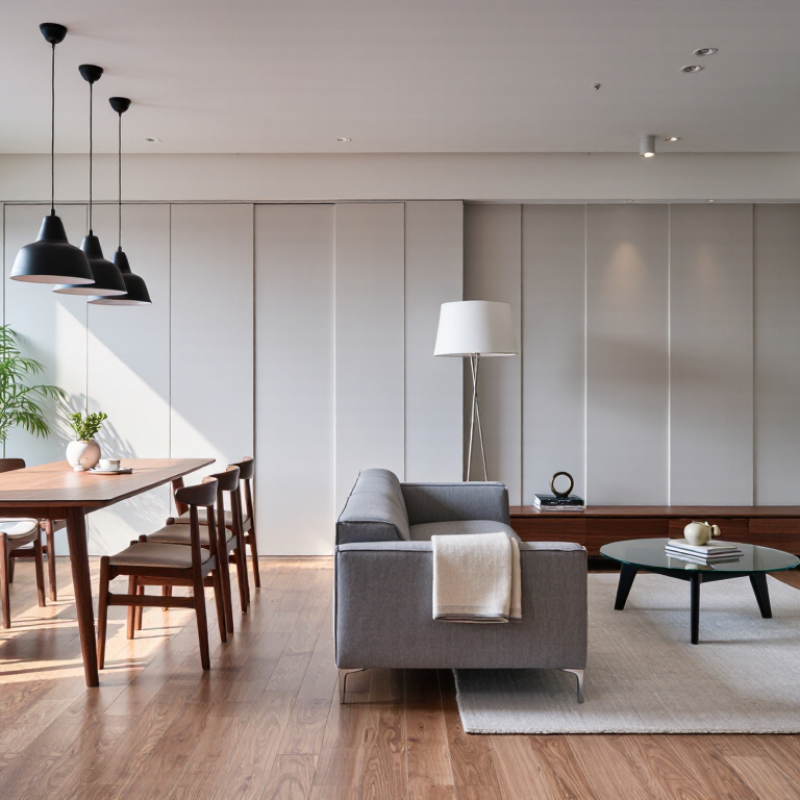
Defining Home Furnishings and Their Role in a Living Space
What Is Home Furnishings A Global Buyers Guide?
Home furnishings are the movable elements that make a house usable, comfortable, and personal. They include sofas, beds, tables, lighting, rugs, curtains, storage, and decorative objects. Unlike structural features, these pieces can change as needs change. A dining table supports meals, work, and conversations. A lamp can soften a corner while improving visual comfort.
In a living space, furnishings shape movement, mood, and daily routines. I have found that a beautiful chair becomes frustrating when it blocks a doorway. Scale matters. Materials matter too. Solid wood, woven fibers, metal, glass, and upholstery each respond differently to moisture, sunlight, and wear. Buyers should check dimensions, care instructions, material composition, and return conditions before purchasing. Local safety requirements may also apply to electrical items, children’s products, and treated fabrics.
The best choices balance appearance with dependable use. That balance is not always obvious. A soft cushion may lose support quickly, while a firmer one may feel less welcoming at first. I once preferred a striking rug, then noticed its texture trapped dust and complicated cleaning. That experience changed my priorities. Home furnishings should support the people who use them, not merely photograph well. Room planning, honest product information, and realistic maintenance expectations create a more reliable living environment.
| Furnishing Category | Primary Role in a Living Space | Common Materials | Typical Dimensions | Buyer Considerations | Typical Service Life |
|---|---|---|---|---|---|
| Sofas and Sectionals | Provide primary seating, define conversation areas, and support relaxation. | Hardwood or engineered wood frames, steel springs, foam, polyester or natural-fiber upholstery. | Width: 180–300 cm; depth: 85–105 cm; seat height: 40–50 cm. | Check doorway access, frame construction, cushion density, removable covers, fabric abrasion rating, and local fire-safety requirements. | Approximately 7–15 years with regular care. |
| Armchairs and Accent Chairs | Add individual seating, visual variety, and flexible zoning within a room. | Solid wood, plywood, metal, molded foam, wool, cotton, linen, or synthetic upholstery. | Width: 70–95 cm; depth: 75–95 cm; seat height: 40–50 cm. | Assess ergonomic support, seat firmness, upholstery maintenance, and whether the chair fits the intended circulation path. | Approximately 7–12 years. |
| Beds and Bed Frames | Support the mattress, establish the bedroom focal point, and provide under-bed storage when designed for it. | Solid wood, engineered wood, steel, aluminum, upholstered textile, and composite panels. | Single: about 90 × 190–200 cm; double: about 135–160 × 190–200 cm; king: about 180 × 200 cm. Frame size is larger. | Confirm mattress compatibility, slat spacing, center support, floor clearance, assembly requirements, and room access. | Approximately 10–20 years, depending on construction and load. |
| Dining Tables | Create a surface for dining, work, study, and social interaction. | Solid wood, wood veneer, engineered wood, glass, stone, ceramic, or metal. | Height: 74–76 cm; width: 80–100 cm; allow approximately 60 cm of table edge per diner. | Review surface heat and stain resistance, edge durability, extension mechanism, weight, and seating capacity. | Approximately 10–20 years. |
| Dining and Kitchen Chairs | Provide upright seating for dining, working, and everyday household activities. | Solid wood, plywood, molded plastic, metal, woven materials, foam, and fabric or leather alternatives. | Seat height: 43–48 cm; width: 43–55 cm; allow approximately 60 cm per place at a table. | Check seat comfort, cleanability, stackability, floor protection, and compatibility with table height. | Approximately 5–15 years. |
| Storage Cabinets and Shelving | Organize possessions, reduce visual clutter, and use vertical space efficiently. | Solid wood, particleboard, medium-density fiberboard, plywood, metal, glass, and rattan. | Depth: 30–45 cm for shelving; cabinet height: 75–220 cm; shelf span commonly 60–90 cm. | Check load capacity, wall anchoring, adjustable shelves, ventilation, moisture resistance, and tip-over safety. | Approximately 10–20 years. |
| Coffee and Occasional Tables | Offer accessible surfaces for drinks, books, lighting, and decorative objects while completing a seating arrangement. | Wood, glass, stone, ceramic, metal, engineered panels, or combinations of these materials. | Height: 35–50 cm; commonly 90–140 cm long; keep approximately 40–45 cm from sofa seating where possible. | Consider edge safety, surface maintenance, stability, clearance, and compatibility with the room’s circulation. | Approximately 7–15 years. |
| Rugs and Floor Coverings | Add warmth, acoustic absorption, texture, and visual definition to activity zones. | Wool, cotton, jute, sisal, viscose, polypropylene, polyester, and recycled synthetic fibers. | Common rectangular sizes include 160 × 230 cm, 200 × 300 cm, and 240 × 340 cm. | Match pile height to door clearance, use a non-slip underlay, check cleaning instructions, and consider shedding and colorfastness. | Approximately 3–15 years, depending on fiber, traffic, and maintenance. |
| Curtains and Window Treatments | Control daylight, privacy, glare, heat gain, and the visual softness of a room. | Cotton, linen, polyester, recycled fibers, blended textiles, bamboo-based fabrics, and coated blackout textiles. | Panel width is commonly 1.5–2.5 times the window width for gathered curtains; finished length depends on sill or floor position. | Specify lining, light-blocking level, washing method, mounting hardware, fabric shrinkage, and child-safety requirements. | Approximately 5–15 years. |
| Lighting Fixtures | Provide ambient, task, and accent lighting that supports comfort, visibility, and atmosphere. | Metal, glass, ceramic, wood, fabric, acrylic, and paper-based shades. | Dining pendants are often mounted about 75–90 cm above the tabletop; reading lights are typically positioned beside or behind the seating area. | Verify voltage and certification for the destination market, bulb compatibility, dimming capability, heat management, and installation method. | Fixture: approximately 10–20 years; replaceable LED light sources can last considerably longer. |
| Decorative Accessories and Textiles | Personalize a room through color, pattern, texture, cultural expression, and seasonal flexibility. | Ceramic, glass, wood, metal, stone, cotton, linen, wool, silk, and synthetic fibers. | Dimensions vary widely; cushions commonly range from 40–60 cm square, while throws are often about 130–150 × 170–220 cm. | Assess material authenticity, colorfastness, care labels, breakage risk, packaging efficiency, and safe placement around children or pets. | Approximately 2–15 years, depending on use and material. |
Exploring the Main Categories of Home Furnishings
Home furnishings shape how people rest, work, eat, and move through a home. The main categories include seating, bedroom furniture, dining pieces, storage, lighting, and textiles. Each category serves a practical purpose, yet comfort and appearance still influence purchasing decisions.
Seating often includes sofas, armchairs, benches, and occasional chairs. Check frame construction, cushion density, fabric durability, and seat height before buying. A low sofa may look elegant but feel uncomfortable for older users.
Bedroom furnishings cover beds, wardrobes, bedside tables, and dressers. Bed frames need correct mattress measurements and stable support.
Dining furniture should match the room’s traffic flow. Leave enough space for chairs to pull back safely.
Storage deserves careful attention because doors, drawers, and shelves affect daily routines.
Start with scale. Lighting adds another layer, from ceiling fixtures to task lamps and bedside lights. Confirm voltage, socket compatibility, and local safety requirements when purchasing across borders.
Textiles include curtains, rugs, cushions, and bedding. Consider fiber content, washing instructions, humidity, and seasonal temperatures. Natural fibers can feel pleasant, but they may crease or shrink without careful maintenance.
Engineered materials often offer easier cleaning, though their appearance can feel less warm. Measure every doorway and stair turn before ordering. I once overlooked a narrow hallway and had to return a large cabinet. That mistake was avoidable. Buyers should also review material descriptions, care labels, warranty terms, and safety documentation for the destination market.
Understanding Materials, Construction, and Design
What Is Home Furnishings A Global Buyers Guide?
Buying home furnishings across markets requires more than attractive photographs. Materials, construction, and design reveal how a product will perform after installation.
I have inspected tables, chairs, and upholstered pieces in different climates. Solid wood can expand in humid rooms and shrink in dry ones. Ask about moisture control and responsible timber documentation. Engineered panels may offer stable dimensions, but edge sealing matters near kitchens. Natural stone needs careful checking for cracks, stains, and uneven thickness.
Construction details often separate durable furniture from short-lived pieces. Examine joint types, drawer movement, stitching, and hardware alignment. A reinforced corner usually handles daily stress better than a thin glued connection. For seating, press the cushion and inspect its recovery. It should regain its shape without feeling rigid. Small flaws matter.
Design must serve real habits, not only showroom appeal. Measure doorways, elevators, and final placement areas before ordering. A beautiful cabinet can fail if its doors cannot open fully. Consider lighting, maintenance, accessibility, and local room proportions. Cultural preferences also influence color, scale, and layout.
I once trusted a polished finish too quickly. Later, fingerprints showed easily under strong lighting. That mistake changed my inspection process. Buyers should request material samples, construction images, care instructions, and test reports when available. Specifications can still be incomplete. Ask precise questions, record answers, and compare them with the delivered product.
How Global Markets Shape Furnishing Styles and Supply
Home furnishing styles travel through a network of materials, skills, and shipping routes. A dining chair may pair a locally familiar shape with timber, woven fiber, or hardware sourced elsewhere. Climate also influences design: humid homes often need breathable fabrics, while colder regions favor layered textiles and heavier finishes. These patterns are not fixed. Migration, online images, and changing household sizes continually reshape what buyers consider practical or beautiful.
Supply chains shape the final product, too. UNCTAD’s Review of Maritime Transport 2023 reports that shipping carries over 80% of world trade by volume, making port delays and freight disruptions relevant to furniture lead times. Buyers can reduce uncertainty by checking material specifications, production locations, packaging, and realistic delivery windows—not just showroom photographs. Ask whether wood is traceable and how finishes are described. Details matter. The World Resources Institute’s Global Forest Review draws on data showing persistent pressure on forests, a reminder that attractive natural materials deserve careful sourcing. Still, paperwork does not reveal every workshop condition or environmental cost. I have learned that a neat supplier document can leave awkward questions unanswered; independent checks and clear communication help, though they are not perfect.
Evaluating Quality, Costs, and Logistics When Buying Worldwide
Buying home furnishings worldwide requires more than comparing catalogue prices. Inspect material specifications, joinery, fabric weight, and finish samples before placing a large order. A dining chair may look sturdy online, yet loose joints or thin padding can become obvious after daily use. Request close-up photos and, when practical, a physical sample. Ask how quality checks are recorded and what happens if items arrive damaged.
Costs extend beyond the unit price. Include packaging, freight, insurance, customs-related charges, and local delivery when comparing quotes. Shipping a solid-wood cabinet can cost more than expected because it is heavy and needs protective crating. Confirm who handles each stage, and ask for a written estimate with the delivery terms clearly stated. Small charges add up.
Logistics deserve the same attention as design. Check production lead times, transit estimates, tracking options, and delivery access at home. A sofa may fit the room but fail to pass through a narrow stairwell. Measure doors and hallways before ordering. For international shipments, clarify how delays, missing cartons, or transit damage are reported and resolved. Even careful planning is imperfect; build some flexibility into the schedule. A week can matter.
Related Posts
-
Exploring Innovative Alternatives for Best Home Furnishings in Global Markets
-

Exploring Best House Decor Alternatives for Unique Home Styling Solutions
-

Why Choose Home Catalogs for Your Global Sourcing Needs?
-

How to Source Home And Furniture in 2026?
-

Essential Guide to Selecting Stylish Furniture for Your Global Purchasing Needs
-

How to Select a Premium Manufacturer for the Best Outdoor Tables: Key Insights and Data-Driven Tips

Catalog
Replacement Cushions
New Jersey Catalog