


How to Choose a Carport Canopy in 2026?
Choosing a Carport Canopy in 2026 requires more than comparing prices and colors. The right model should protect your vehicle, fit your property, and withstand local weather conditions. A canopy that looks sturdy online may feel unstable in strong wind or collect water after heavy rain. Real performance depends on the frame, cover fabric, anchoring system, drainage design, and installation quality.
Start with your vehicle’s dimensions, including open doors, mirrors, roof racks, and future storage needs. Measure the ground carefully. A few extra inches can make daily parking much easier. Consider galvanized steel, powder-coated frames, UV-resistant fabric, and reinforced seams. These details often matter more than decorative features. Snowy regions need higher load capacity, while hot climates demand reliable shade and breathable materials. Coastal areas may require stronger corrosion protection.
There is no universal best choice. A lightweight canopy may suit temporary use but disappoint under repeated storms. A permanent structure may offer better stability, yet it can require more planning, maintenance, and local approval. This is where many buyers misjudge the decision. They focus on the lowest price first. That can become expensive later.
Check manufacturer specifications, warranty terms, replacement-part availability, and customer feedback from similar climates. Ask how the canopy should be anchored on your surface. Concrete, asphalt, gravel, and soil require different solutions. Inspect the frame after installation, especially around joints and tension points. Small gaps can become major problems.
Choose for real conditions, not showroom appeal. Your car deserves dependable shelter.
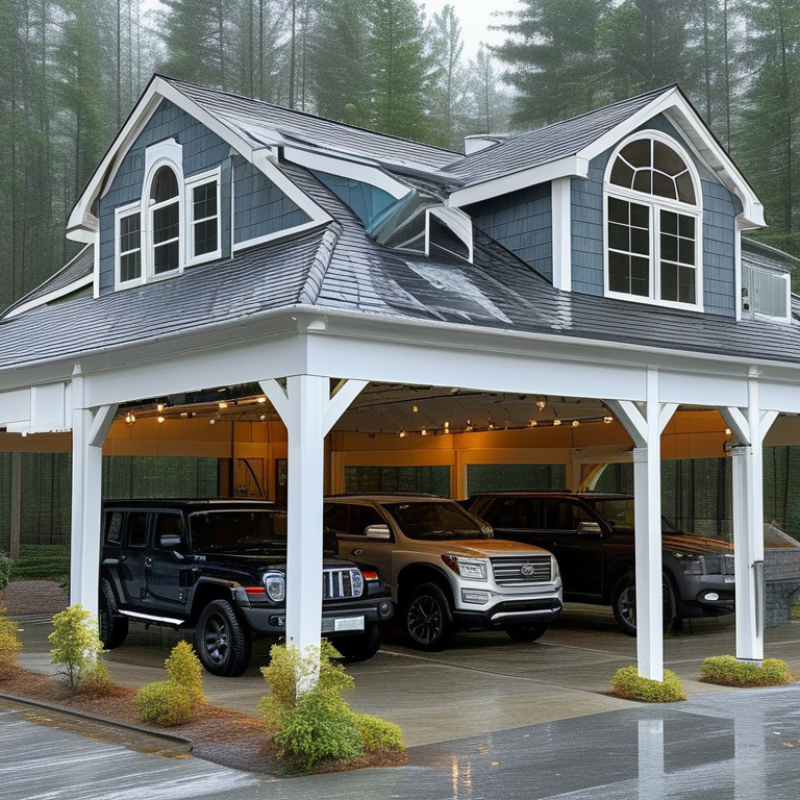
Define Your Carport Canopy Needs and Site Conditions
How to Choose a Carport Canopy in 2026?
Define Your Carport Canopy Needs and Site Conditions
Begin with the vehicle, not the canopy. Measure its length, width, height, and door clearance. Add space for walking around the car comfortably. A compact sedan needs less coverage than a tall van or recreational vehicle. Think about daily use, too. Will you park overnight, unload groceries, or store bicycles underneath? My first plan focused only on roof size, and the narrow entrance became frustrating.
Study the site during different weather conditions. Check ground slope, drainage, tree branches, wind direction, and morning sunlight. Soft soil may require stronger anchoring or a prepared base. Snowy regions need a structure rated for local loads, while hot areas benefit from reliable UV protection and airflow. Measure overhead obstacles carefully. A few centimeters can change installation safety.
Tips: Mark the canopy footprint with string before buying. Park your vehicle inside the outline and open every door. Watch where rainwater flows after a storm. Check the ground again after heavy weather. Do not assume a level driveway is truly level. Confirm the canopy height against nearby fences, walls, and utility lines. Review local installation requirements and ask a qualified professional when soil or wind conditions seem uncertain. A second measurement feels repetitive, but it often prevents expensive adjustments.

Compare Canopy Materials, Frames, and Weather Resistance
How to Choose a Carport Canopy in 2026?
Compare Canopy Materials, Frames, and Weather Resistance
Choosing a carport canopy starts with your local weather, not its appearance. A lightweight polyester cover may suit mild, dry conditions. For stronger sunlight, look for UV-treated fabric with sealed seams. Polyethylene resists moisture well and usually costs less. PVC-coated fabric feels tougher, but it can become stiff in cold weather.
The frame matters just as much. Powder-coated steel offers strong support, while galvanized steel handles moisture better when its coating remains intact. Aluminum is lighter and resists rust, but it may bend under heavy snow or strong wind. Check the tube thickness, joint design, and anchoring method. Thin legs can look acceptable indoors. Outside, they may wobble quickly.
Weather resistance requires more than the word waterproof. A useful canopy should shed rain, tolerate sunlight, and remain stable during gusts. Look for reinforced corners, a sloped roof, and drainage paths that prevent water pockets. I once focused on fabric thickness and ignored the anchors. That shortcut was a mistake. Secure anchoring often decides whether a canopy stays upright. Inspect the cover after storms, even if it appears fine. Small tears can spread. Also, avoid trusting vague claims without testing details, care instructions, or warranty terms. A slightly imperfect fit may be safer than a tight cover that strains every seam.
Choose the Right Size, Shape, and Vehicle Clearance
How to Choose a Carport Canopy in 2026?
Choosing a carport canopy starts with accurate measurements, not appearance. Measure the vehicle’s length, width, height, and door-opening space. Add clearance for mirrors and comfortable walking. A canopy that fits only on paper becomes frustrating quickly. I recommend adding at least 60 centimeters around the vehicle where space allows. Check the roof height too. Roof racks, antennas, or an open tailgate can change the required clearance.
Shape affects both protection and usability. A peaked roof usually sheds rain and snow more effectively than a flat design. A curved canopy can reduce water pooling, but it may provide less usable height near the sides. Consider the vehicle’s parking direction and the local wind exposure. Open sides improve access, while enclosed panels offer stronger weather protection. They can also trap heat. That trade-off deserves attention.
A practical layout should leave room for walking, loading, and future vehicle changes. I once underestimated door clearance by measuring the closed car only. It looked fine until the rear door opened. That was a poor measurement. Use the largest vehicle you may own during the canopy’s expected service life. Review the frame’s load ratings, anchoring method, fabric durability, and drainage design. Follow the installation instructions carefully, and inspect connections after severe weather. Tiny gaps can become loud problems.
Check Anchoring, Permits, Safety, and Installation Requirements
Choosing a carport canopy in 2026 starts with the ground, not the fabric. A light canopy can behave like a sail during sudden winds. Check whether the site has concrete, asphalt, compacted gravel, or loose soil. Each surface needs a different anchoring method. Ground stakes may suit firm soil, but they can fail in saturated ground. Concrete anchors usually offer better resistance, yet drilling may damage hidden services. Ask a qualified installer to inspect the surface before ordering. I once underestimated drainage, and rainwater collected beside one support. That small mistake made the frame less stable.
Permit requirements vary by location, canopy size, property limits, and attachment method. Contact the local building office before delivery, especially for permanent structures. Keep approval documents, product specifications, and installation drawings together. Safety also depends on clearance from doors, windows, vehicles, and overhead cables. Never block emergency access or place supports where people regularly walk. Follow the stated wind and snow limits, even when the forecast looks calm. Installation should include level measurements, tight connections, and a final anchor inspection. Do not improvise with ropes, thin wire, or random weights. They may look practical, but they can create new hazards. Recheck the canopy after heavy rain, strong wind, or frost, because the first setup is not always perfect.
Evaluate Costs, Maintenance, and Long-Term Value
Choosing a carport canopy in 2026 requires more than comparing purchase prices. Angi’s 2025 Cost Guide estimates typical carport installation at roughly $3,500 to $10,000, depending on size, materials, labor, and site preparation. A lower quote may exclude concrete, drainage, permits, or anchoring. Those omissions can become expensive after the first heavy storm.
Maintenance shapes long-term value. Steel frames usually need periodic inspection for rust, loose fasteners, and coating damage. Fabric covers demand closer attention, especially after snow, strong winds, or prolonged ultraviolet exposure. ASCE 7-22 provides current structural-load guidance for wind and snow design, but local conditions still matter. The 2024 Cost vs. Value Report recorded a 194% cost recoup for garage-door replacement, not carports. It is only a nearby benchmark. Treating it as a guaranteed carport return would be careless.
Tips: Request a written, itemized estimate. Check the drainage path after rainfall. Ask for the design wind and snow ratings. Inspect every six months, even when the canopy looks fine. A five-minute check can reveal a cracked connector or stretched cover. I would also reserve 5% to 10% of the project budget for overlooked site work. That allowance may feel excessive, but outdoor projects rarely stay perfectly predictable.

Catalog
Replacement Cushions
New Jersey Catalog