How to Choose the Best Laser Cutting Machine for Your Needs?
In today's manufacturing landscape, selecting the right laser cutting machine is crucial for efficiency and precision. According to a recent industry report by MarketsandMarkets, the global laser cutting market is projected to reach USD 6.3 billion by 2025, growing at a CAGR of 7.2%. This growth emphasizes the increasing reliance on laser technology in various sectors, including automotive and aerospace.
Choosing the best laser cutting machine involves evaluating your specific needs. Factors like operating speed, material compatibility, and software integration play significant roles. Companies often overlook maintenance costs, which can impact long-term investments. A reliable machine should balance performance and affordability.
Despite advancements, not every model suits every application. It's essential to analyze production requirements. Some businesses may prioritize speed, while others focus on precision. Decision-making should reflect both immediate and future needs. Understanding these nuances is vital to avoid costly mistakes in procurement.
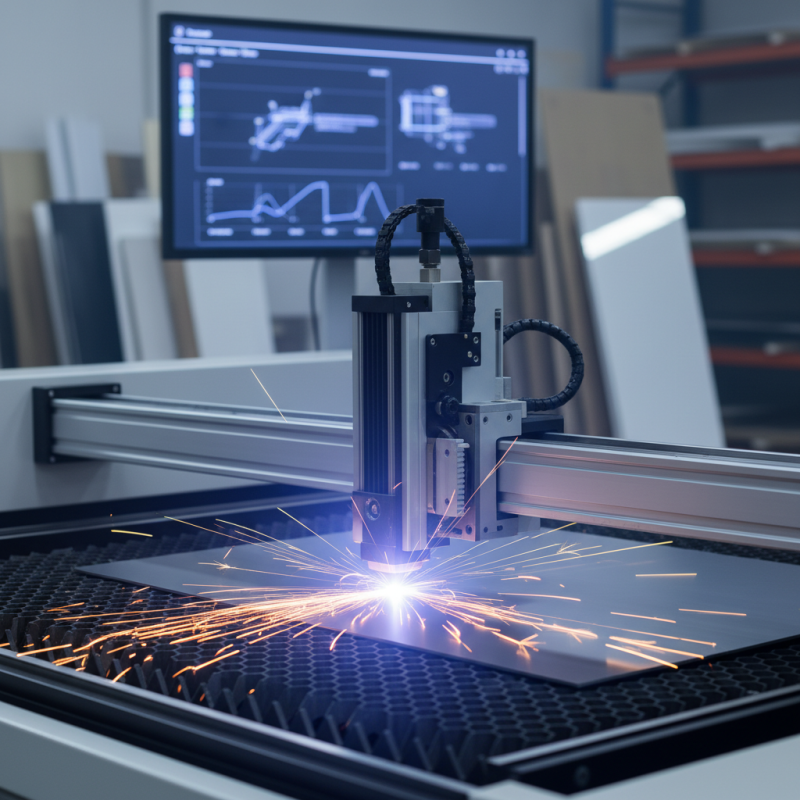
Understanding Different Types of Laser Cutting Machines Available
When considering a laser cutting machine, it’s crucial to understand the different types available. CO2 lasers are popular for cutting non-metal materials like acrylic and wood. They are efficient, producing clean cuts. Fiber lasers, on the other hand, excel at cutting metals. These machines provide high precision and speed, making them ideal for metal fabrication.
Tips: Identify the materials you’ll use. This decision simplifies the selection process. If you work with both types, consider a dual-source machine.
Another option is the diode laser, which is excellent for engraving small details. However, they might lack power for thicker materials. This could be a limitation for users looking to expand their capabilities. Always assess your projected needs before choosing.
It’s essential to think about the future too. Technology evolves rapidly. Machines that seem adequate today might become obsolete. Choose a machine with upgrade potential or versatility. Planning ahead can save time and resources later on.
Key Factors to Consider When Selecting a Laser Cutting Machine
When selecting a laser cutting machine, several key factors come into play. Understanding these factors can help you make an informed decision. One major consideration is the type of materials you will be cutting. For instance, different laser types excel at cutting various materials. A CO2 laser is ideal for non-metal materials, while fiber lasers handle metals more effectively.
Another crucial aspect is the machine's power and cutting speed. Generally, machines with higher wattage cut faster and more efficiently. A recent industry report revealed that machines with at least 100 watts increase cutting speed by over 30%. However, power alone doesn’t guarantee quality. The optimal balance between speed and precision is important.
Maintenance and operating costs also require careful thought. Laser cutting machines can consume substantial energy and resources. Some studies suggest that operational costs could consume up to 20% of production budgets. Investing in user-friendly interfaces and remote diagnostics may save time and repair costs. Reflecting on your long-term production goals can sharpen your decision-making process.
Laser Cutting Machines Performance Comparison
Evaluating Your Material Compatibility with Laser Cutting Technology
When choosing a laser cutting machine, consider your material compatibility. Different materials react uniquely to laser cutting. Wood, for example, can yield clean cuts with minimal burning. However, certain types of wood may char if not processed correctly. It’s essential to test various settings to find the right balance.
For metals, not all lasers work effectively. Some machines may struggle with thicker materials. Stainless steel and aluminum require specific models for optimal results. Understanding the laser's power and speed settings is crucial. You might face challenges when cutting intricate designs. Make sure to prioritize precision when selecting a machine.
Materials like acrylic and fabric often offer flexibility. They cut smoothly, yet the settings may differ vastly. Acrylic can melt if too much heat is applied. Each material has its own nuances, and ignoring them can lead to waste. Testing materials before fully committing to a machine is a step worth considering.
How to Choose the Best Laser Cutting Machine for Your Needs? - Evaluating Your Material Compatibility with Laser Cutting Technology
| Material Type | Compatible Laser Type | Thickness Range (mm) | Cutting Speed (mm/min) | Recommended Power (W) |
| Acrylic | CO2 Laser | 1 - 20 | 600 - 800 | 40 - 150 |
| Wood | CO2 Laser | 1 - 10 | 100 - 300 | 30 - 100 |
| Metal | Fiber Laser | 0.5 - 8 | 200 - 400 | 500 - 3000 |
| Leather | CO2 Laser | 1 - 6 | 200 - 500 | 40 - 100 |
| Paper | CO2 Laser | 0.5 - 5 | 300 - 1000 | 30 - 60 |
Analyzing Budget and Operational Costs for Laser Cutting Machines
When considering a laser cutting machine, operational costs are crucial. These costs include energy consumption, maintenance, and material expenses. A report from IBISWorld indicates that operational costs can take up to 30% of your total budget. Understanding these factors helps you avoid unexpected expenses.
Tip: Calculate energy costs based on machine wattage. Higher wattage machines, while powerful, can increase your energy bill. For instance, a 1500W machine operating 40 hours a week may consume over $100 monthly in electricity. Be sure to factor this into your budget.
Maintenance is another vital area. Regular upkeep can prevent costly repairs. On average, setting aside 5-10% of your purchase price annually for maintenance is advisable. Not all machines require the same level of care. Research the specific needs of any model you consider.
Tip: Consider the materials you will cut. Some materials wear machines faster than others. Additionally, the costs associated with those materials can vary widely. This variability affects your overall expense. Understanding your cutting requirements is essential in making a wise choice.
Exploring User Reviews and Recommendations for Laser Cutting Equipment
When selecting a laser cutting machine, user reviews are crucial. These reviews offer insights into performance, reliability, and ease of use. A recent industry report indicates that 70% of buyers rely on user feedback before making a decision. It's essential to dive deep into these reviews. Some users praise specific features, while others point out limitations they faced, such as inconsistent cutting quality or software difficulties.
Many users mention the importance of customer support. In fact, surveys show that 65% of users value responsive customer service over the machine's initial price. Experiences vary widely, with some reporting prompt assistance while others faced delays. These inconsistencies can lead to frustration during critical projects. Balancing cost and support is a challenge.
Moreover, the type of materials being processed affects user satisfaction. For example, those cutting thick metals often express dissatisfaction with machines that excel at thinner materials. It's an important consideration for buyers. Understanding the specific needs of your projects will help in evaluating user experiences effectively. Analyzing multiple sources of feedback leads to more informed choices.

 Catalog
 Replacement Cushions
 New Jersey Catalog