How to Choose the Best Ice Bath Pods for Your Needs?
Choosing the right Ice Bath Pods can feel surprisingly complicated. A cold plunge is not just a container filled with chilled water. Its size, insulation, drainage system, materials, and stability all affect the experience. I have learned that a pod looking impressive online may feel awkward in a small bathroom or backyard. Product photographs rarely show the full setup, including hoses, towels, water treatment supplies, and the space needed to enter safely.
This guide explains how to choose Ice Bath Pods according to your routine, budget, climate, and available space. It considers portability, temperature retention, cleaning requirements, durability, and user comfort. A taller person may need more internal length, while a beginner may prefer easier access and moderate water depth. Those details matter. So does construction quality. Look for clear material information, reliable customer support, and independent reviews rather than relying on dramatic marketing claims. Insulation helps reduce temperature changes, but no pod eliminates maintenance. The water still needs regular attention. Cold exposure can also place stress on the body, especially for people with certain health conditions. Professional medical advice is sensible before starting. There is no perfect choice. The best Ice Bath Pods are the ones you can use safely, clean consistently, and store without frustration. That sounds obvious. It is often overlooked.
Define Your Goal and Budget Using Recovery-Use Case Data
How to Choose the Best Ice Bath Pods for Your Needs?
Define your recovery goal before comparing ice bath pods. Are you managing post-training soreness, cooling down after outdoor exercise, or building a consistent recovery routine? The best choice depends on frequency, available space, and your tolerance for setup. Start with evidence. Track soreness from 0 to 10, sleep quality, and next-day training performance for two weeks. Personal data may be messy, but it is more useful than dramatic claims.
Your budget should include more than the purchase price. Estimate ice, water treatment, electricity, drainage, replacement parts, and a protective cover. A basic pod may suit occasional use, especially if you have freezer space and a nearby drain. Frequent users may value stronger insulation, a stable frame, a thermometer, and easier cleaning. Measure the space. Check whether the filled pod can support your weight safely and whether the floor can handle its load.
Do not choose the coldest setting automatically. Many users need a manageable temperature and short sessions rather than extreme exposure. Sports medicine guidance also supports gradual use and individual caution, particularly for people with cardiovascular or circulation concerns. I would review the data after four weeks, not after one impressive session. A cheaper option can become expensive when setup feels inconvenient. That part is easy to underestimate. A pod that remains clean, accessible, and simple to drain may deliver better real-world value than a feature-heavy model.
Set Exposure Limits: 10–15°C for 5–15 Minutes (NATA)
Choosing an ice bath pod starts with temperature control, not appearance or extra features. For practical recovery sessions, use the NATA exposure limit of 10–15°C for 5–15 minutes. A reliable pod should display temperature clearly and maintain it consistently. Guessing by touch is not enough.
I have found that colder water can feel impressive, but it is not automatically better. Begin near 15°C and stay in for five minutes. Observe your breathing, skin color, and coordination. Stop immediately if you feel dizzy, numb, confused, or unusually weak. Shorter sessions are sensible for beginners, especially after intense training, poor sleep, or dehydration. Never enter alone.
Look for sturdy insulation, secure steps, stable seating, and simple drainage. A covered design can help keep water cleaner between uses, while a thermometer improves decision-making. Personal tolerance varies widely. That matters.
People with heart conditions, circulation problems, reduced sensation, or other medical concerns should seek qualified medical advice before cold-water exposure. Even healthy users can misjudge risk when competitive pressure takes over. I would rather leave the pod early than chase a longer time record. The safest choice is a pod that makes conservative limits easy to follow, rather than one that encourages extreme cold or extended sessions.
Prioritize Filtration and Water-Care Standards (NSF/ANSI 50)
When choosing an ice bath pod, treat filtration as a safety feature, not a luxury. NSF/ANSI 50 sets performance and safety requirements for circulation and water-treatment components used in aquatic facilities. Certification does not guarantee clean water by itself, but it shows that key equipment has undergone recognized testing. Ask for current documentation, not a vague “tested to standard” claim.
Look for a continuous circulation pump, a replaceable fine-particle filter, and accessible plumbing. Water should pass through the filter several times daily. CDC guidance recommends maintaining pH between 7.2 and 7.8 in treated recreational water, while chlorine targets vary by facility type. Cold water can slow chemical reactions, so copying a spa schedule may be inadequate. Measure with a calibrated test kit. Record readings.
Sanitation still matters.
A 2023 CDC report emphasizes that contaminated recreational water can spread gastrointestinal, skin, and respiratory illnesses. A covered pod reduces debris, but it cannot remove sweat, skin oils, or microorganisms. Ozone and ultraviolet systems may support treatment, yet they should not replace verified filtration and residual disinfectant. I would also inspect dead corners, drain access, and filter replacement dates. These details are easy to overlook. One weakness remains: home ice-bath products often lack consistent testing data, so transparent maintenance instructions deserve serious weight.
How to Choose the Best Ice Bath Pod for Your Needs
Use the chart as a water-care reference when comparing filtration systems. NSF/ANSI 50 evaluates certain pool and spa circulation components for performance and safety; it does not prescribe ice-bath water-chemistry limits.
Reference values shown: CDC recreational-water guidance recommends at least 1 ppm free chlorine or 3 ppm bromine, with pH maintained between 7.0 and 7.8. Confirm that any treatment method is suitable for the pod, users, and manufacturer instructions.
Verify Fit, Stability, Warranty, and Total Cost Before Purchase
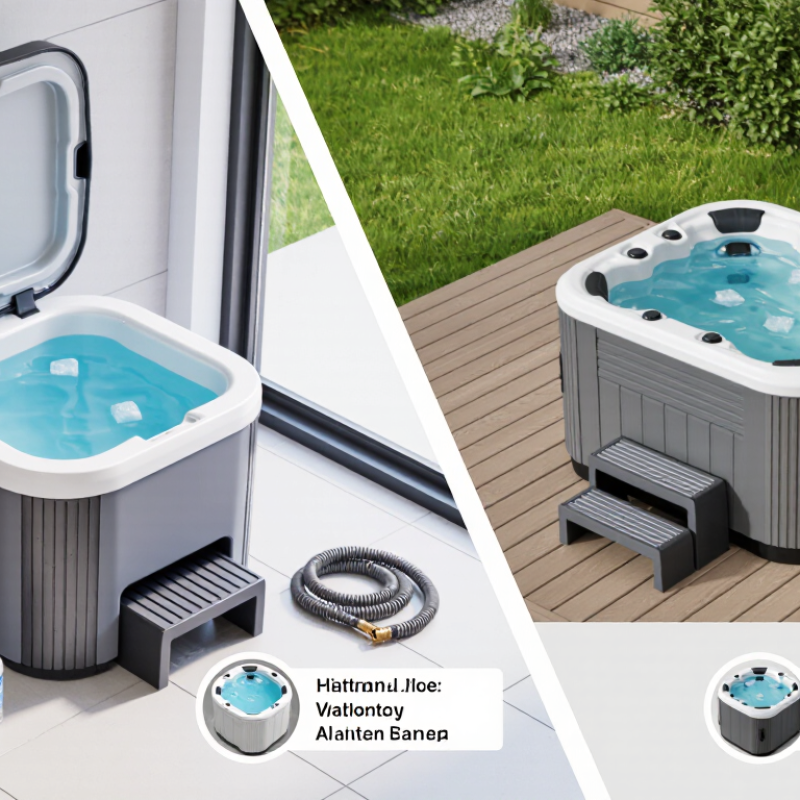
Choosing an ice bath pod starts with fit, not appearance. Measure your available floor space, doorway, and storage area. Then compare those measurements with the pod’s internal dimensions. Your shoulders and knees need room to move comfortably. A narrow pod may save space, but it can make entry awkward. Check the maximum water level and recommended user height. Product photos can be misleading.
Stability matters when the pod is full. Look for reinforced walls, a firm base, and reliable drainage connections. Place it on a level surface, away from sharp stones or rough concrete. I would also inspect seams and valve fittings before adding water. A weak joint can become an expensive problem. Even experienced buyers may overlook the space needed for emptying and cleaning.
Tips: Read the warranty line by line. Confirm coverage for leaks, structural damage, valves, and insulation. Check whether labor, replacement parts, and return shipping are included. A short warranty may signal limited confidence, although that is not always true. Calculate total cost beyond the advertised price. Include delivery, water treatment, a cover, cleaning supplies, and possible repairs. Review the return period and restocking fees. Keep screenshots of the product specifications and purchase terms. They can support a claim if the details change later. I once underestimated maintenance costs on outdoor equipment; the mistake was small, but avoidable. Judge the pod by its complete ownership cost, not its opening price.

 Catalog
 Replacement Cushions
 New Jersey Catalog