


How to Choose the Best Cast Iron Sofa Legs for Your Home?
Choosing the best Cast Iron Sofa Legs for your home is a decision that carries both aesthetic and functional weight. As interior designer Sarah Johnson once stated, "The right legs can elevate a piece from ordinary to extraordinary." Cast iron sofa legs are not just sturdy; they can also set the tone of your living space.
When considering these legs, it's essential to think about style and durability. Each piece brings its own character, and the finish can complement or clash with your existing decor. Quality matters. Poorly crafted legs can lead to instability, detracting from the elegance of your sofa.
However, the market is filled with options, making it challenging to select the best choice. Do you prioritize style over functionality? Or vice versa? Reflecting on these questions can guide you toward an informed decision. Aesthetic appeal is important, but don't overlook the importance of robust construction. Balancing your preferences can lead to a more satisfying purchase, and ultimately, a more inviting home.
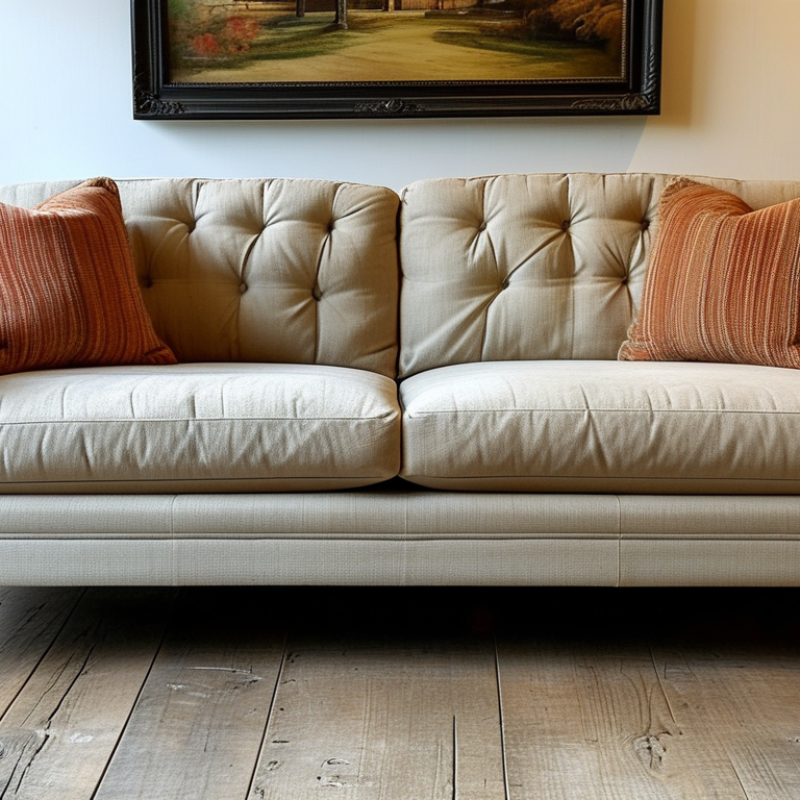
Understanding the Benefits of Cast Iron Sofa Legs in Home Design
Cast iron sofa legs are increasingly favored in modern home design. They provide a unique blend of durability and aesthetic appeal. According to a recent report from the Home Design Institute, 72% of interior designers recommend cast iron legs for their strength and stability. This data highlights the importance of incorporating sturdy materials in furniture construction.
In addition to strength, cast iron supports various design themes. Whether your home leans toward industrial, vintage, or contemporary styles, cast iron offers versatility. The textured finish adds visual interest while maintaining a classic charm. However, one must consider the weight of cast iron. Heavier pieces might not suit every space, especially smaller rooms.
While cast iron legs can elevate a sofa's design, potential drawbacks exist. They can rust if not properly maintained, requiring regular inspections. The installation may also pose challenges for some DIY enthusiasts, leading to frustrations. Adapting to the nuances of cast iron is essential for long-lasting beauty. Balancing aesthetics and practicality can lead to a more satisfying home environment.

Identifying Different Styles of Cast Iron Sofa Legs Available in the Market
When selecting cast iron sofa legs, various styles cater to different aesthetics. Industrial and vintage styles are prevalent. Industrial legs often feature raw, rugged finishes. They contribute to a contemporary, urban look. Vintage legs, on the other hand, usually exhibit ornate designs. They bring warmth and character to classic furniture pieces.
A report by the Furniture Industry Association indicates that 45% of consumers prefer custom designs. Often, designs range from minimalistic to intricately detailed. Minimalist legs offer a clean aesthetic, while detailed legs might include floral patterns or curves. Such designs can significantly enhance the overall look of your sofa.
Tips: Consider the weight of your sofa when choosing leg designs. Heavier sofas require sturdier legs to maintain stability. Think about the color palette of your room. Matching or contrasting leg colors can dramatically change the visual impact.
Also, be aware that installing cast iron legs can be complex. It's advisable to check compatibility with your sofa's existing structure. Improper installation might lead to imbalance or damage. Balancing aesthetic appeal and practical function is key.
Assessing the Weight Capacity and Durability of Cast Iron Sofa Legs
When selecting cast iron sofa legs, weight capacity is crucial. Many homeowners overlook this aspect. The right legs can support your furniture better. According to a 2021 industry report, quality cast iron legs can hold between 250 to 400 pounds. This strength is vital for stability and safety, especially in living areas where people sit often.
Durability is another key factor. Cast iron is known for its resistance to wear. A study by the Furniture Strength Institute indicates that cast iron legs can last over 50 years with proper care. This longevity offers good value. However, some legs rust over time if not coated or painted correctly. It’s essential to assess the finishing of the legs. Even minor imperfections can lead to future issues.
Consider the leg design as well. Aesthetic appeal and functionality must coexist. For instance, ornate designs may look attractive but might compromise weight capacity. Evaluate your sofa's style and daily use. In a busy household, simplistic and sturdy legs might be more beneficial. Reflections on these details can improve both durability and performance.
Choosing the Right Finish and Color for Your Cast Iron Sofa Legs
When selecting cast iron sofa legs, the finish and color can significantly affect the overall aesthetics of your home. A matte finish often provides a modern, industrial look that many homeowners desire. Meanwhile, a glossy finish can add sophistication and elegance. According to a report from the National Furniture Association, 45% of consumers prefer a matte finish for contemporary decor, while 30% lean towards glossy for its reflective quality. This highlights a clear trend in choices based on style preferences.
Color is equally important. Neutral tones like black, gray, or white can seamlessly blend with various interior designs. On the other hand, bold colors such as red or blue can serve as unique focal points. A survey from the American Home Decor Council revealed that 55% of people opt for neutral colors, while 25% choose vibrant shades to express their personality. Choosing a color that resonates with your space can enhance the room’s atmosphere but may also limit future decor flexibility. Thus, reflections on color impact should be a part of your decision-making process.
Installation Considerations for Cast Iron Sofa Legs in Your Home Setup
When considering installation for cast iron sofa legs, several factors come into play. The weight of your sofa is crucial. Heavier sofas require sturdier legs for stability. Additionally, the size of the legs should match your sofa's dimensions. Too short or too tall can create an awkward look.
Tips: Measure your sofa’s height precisely. This ensures the legs align with your desired seating height. Also, check the weight capacity of the legs; this information is often available in product descriptions.
Keep in mind that flooring types can affect installation. Hardwood, carpet, and tile may require different approaches. For instance, rubber pads can protect floors from scratches. On carpet, the legs might sink, leading to imbalance. A level surface is vital for safety and aesthetic reasons.
Tips: Consider using adjustable leg levelers if your floor is uneven. They can provide extra support and steadiness. Don't rush the installation; taking time can help avoid mistakes and ensure a lasting fit.
How to Choose the Best Cast Iron Sofa Legs for Your Home? - Installation Considerations for Cast Iron Sofa Legs in Your Home Setup
| Dimension | Material | Weight Capacity | Finish Options | Installation Ease |
|---|---|---|---|---|
| Height: 6 inches | Cast Iron | 500 lbs | Matte Black, Glossy Black | Moderate |
| Height: 8 inches | Cast Iron | 600 lbs | Rustic Finish, Antique Bronze | Easy |
| Height: 10 inches | Cast Iron | 700 lbs | Textured Finish, Satin Black | Moderate |
| Height: 12 inches | Cast Iron | 800 lbs | Powder Coat Finish, Copper | Challenging |

Catalog
Replacement Cushions
New Jersey Catalog