Why Choose Clad Wood Windows for Your Home Renovation?
When it comes to home renovation, selecting the right windows is crucial for both aesthetics and functionality. Clad Wood Windows offer a unique blend of beauty and durability, making them a popular choice among homeowners and builders alike. According to the National Association of Home Builders, window replacement is one of the top three renovations that can enhance a home's value. Clad wood windows not only contribute to energy efficiency but also improve curb appeal.
A study by the Department of Energy indicates that windows account for 25% to 30% of residential heating and cooling energy use. This fact underscores the importance of choosing high-quality windows for insulation. Clad wood windows are designed to handle various weather conditions, minimizing heat loss. Their exterior is typically made from durable materials like aluminum that resist the elements, while the inner wood provides warmth and charm.
However, potential buyers should consider the long-term maintenance required for wood interiors. While clad wood windows reduce upkeep, the wooden part still demands attention. This mix of benefits and responsibilities makes researching and weighing options essential. Clad wood windows represent a compelling choice for those looking to balance traditional aesthetics with modern performance in their home renovation projects.
Benefits of Clad Wood Windows in Home Renovation Projects
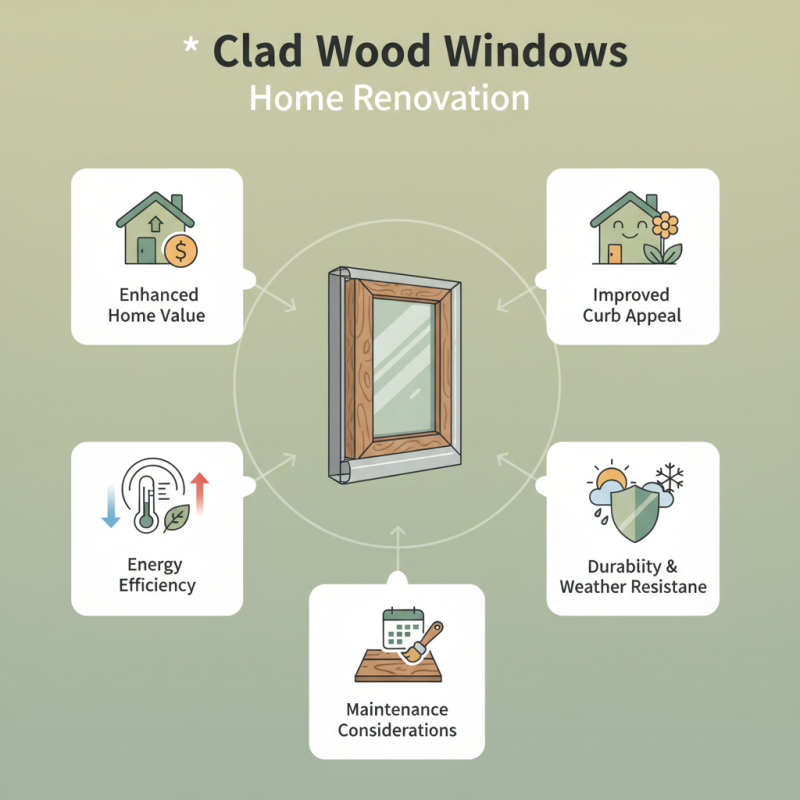
Clad wood windows are an excellent choice for home renovation projects. They offer a perfect blend of durability and aesthetics. The outer layer protects the wood from the elements, ensuring longevity. Inside, the warm beauty of wood enhances any room. Homeowners appreciate these windows for their energy efficiency, which can lead to lower utility bills. The combination of materials prevents heat loss while providing a classic look.
When selecting clad wood windows, consider the design of your home. Match the window style with your overall architecture. This attention to detail can elevate the entire renovation. Pay attention to color choices as well. A light exterior can reflect sunlight and reduce heat, while darker colors may absorb more.
Tips: Before finalizing your choice, visit showrooms. Seeing the windows in person helps you better understand the materials. It can also reveal details that photographs may not convey. Additionally, check local regulations regarding window installation. Some areas have specific guidelines that might impact your decisions. This step prevents future issues, making your renovation smoother and more enjoyable.
Durability and Maintenance Advantages of Clad Wood Windows
Clad wood windows offer a compelling combination of durability and low maintenance. The exterior cladding protects the wood from harsh weather. This reduces the need for frequent repairs. According to the Window and Door Manufacturers Association, clad windows can last up to 30 years with minimal upkeep. The cladding material helps prevent warping and rotting.
In terms of maintenance, homeowners benefit from easier cleaning processes. Clad wood windows often have a smooth finish that resists dirt accumulation. A study by the American Architectural Manufacturers Association found that homeowners spend 60% less time on window maintenance compared to traditional wood windows. This means more time enjoying your view and less time on upkeep.
However, some challenges exist. Installation can be more complex than standard windows. Improper installation may lead to issues like air leaks or water intrusion. These concerns highlight the importance of hiring experienced professionals. Educating oneself about installation techniques can mitigate potential risks. Understanding these nuances can lead to a more satisfactory renovation experience overall.
Why Choose Clad Wood Windows for Your Home Renovation?
| Feature | Clad Wood Windows | Traditional Wood Windows |
| Durability | High - resistant to moisture and pests | Moderate - susceptible to rot and damage |
| Maintenance | Low - requires minimal upkeep | High - needs regular painting and treatment |
| Energy Efficiency | Excellent - good insulation properties | Fair - may require additional insulation |
| Aesthetic Appeal | Versatile - available in various finishes | Classic - traditional wood look |
| Cost | Higher initial investment | Lower initial cost |
| Lifespan | Long-lasting - up to 40 years | Shorter - usually around 20 years |
Aesthetic Appeal: Enhancing Home Style with Clad Wood Windows
Clad wood windows offer a unique blend of beauty and functionality. Their aesthetic appeal is evident in many architectural styles. The smooth, natural finish of wood complements traditional homes, while the sleek exterior can enhance modern designs. According to a report by the National Association of Realtors, homes with high-quality windows can see a 70% return on investment at resale.
Installing clad wood windows can transform your home’s curb appeal. These windows not only provide energy efficiency but also create a warm and inviting atmosphere. The wide variety of colors and finishes available allows homeowners to personalize their look. In fact, 80% of potential buyers consider window style a significant factor when choosing a home.
Tips for choosing clad wood windows:
- Consider the wood type that matches your interior design.
- Explore energy-efficient options to reduce long-term costs.
- Think about proper maintenance practices to preserve their beauty.
Choosing clad wood windows is not just about appeal; it’s also about making a thoughtful investment in your home. However, it is crucial to weigh the options carefully. The combination of wood and protective materials may require some upkeep. Investing in quality windows can enhance your home, yet small details can be overlooked during the decision-making process.
Energy Efficiency Considerations for Clad Wood Windows
When considering energy efficiency, clad wood windows stand out for several reasons. According to the Department of Energy, high-performance windows can reduce energy bills by 10-25%. Clad wood windows integrate an exterior material like fiberglass or vinyl, providing excellent insulation. This exterior shields the wood from harsh weather, while the interior retains the natural thermal benefits of wood.
In recent studies, it was noted that well-constructed clad wood windows can achieve a U-factor as low as 0.30. This measurement is crucial for understanding how well a window can resist heat transfer. A lower U-factor means better insulation, leading to reduced heating and cooling costs. The insulating properties of wood combined with a durable exterior create a product effective in energy conservation.
On the downside, while clad wood offers durability, some homeowners experience concerns around maintenance. Over time, the exterior material may require touch-ups or replacements. This aspect can lead to additional costs and considerations. However, many find these concerns outweighed by the long-term energy savings and aesthetic appeal of clad wood windows.
Energy Efficiency of Clad Wood Windows vs. Traditional Windows
This bar chart represents the energy efficiency ratings (measured in U-value) of various types of windows. Clad wood windows exhibit superior energy efficiency compared to traditional wood, vinyl, and aluminum windows, making them an excellent choice for home renovation projects focused on sustainability and energy savings.
Cost-Effectiveness: Long-Term Value of Clad Wood Windows
Clad wood windows are gaining popularity for home renovations, primarily due to their cost-effectiveness and long-term value. According to the National Association of Home Builders, replacing old windows can yield a return of 70-80% of the investment upon resale. This statistic underscores the financial wisdom of choosing clad wood. The combination of wood's natural beauty and the durability of the exterior cladding ensures longevity, which is critical for homeowners.
In addition, clad wood windows require significantly less maintenance compared to traditional wood windows. This translates into considerable savings over time. The American Institute of Architects reports that homeowners spend around 1-3% of their home’s value annually on maintenance and repairs. By opting for clad wood, this expense can be reduced, benefiting your budget in the long run. However, upfront costs can be a consideration. Some may feel hesitant about initial investments in higher-quality materials.
While clad wood windows may seem pricier initially, their performance and aesthetic appeal often outweigh concerns. They resist weather damage, warping, and fading, adding to their value. A study by the Harvard Joint Center for Housing Studies found that energy-efficient upgrades, including quality windows, can lead to lower energy bills. This is essential for both comfort and financial planning. Each renovation decision deserves reflection, especially concerning the materials chosen.

 Catalog
 Replacement Cushions
 New Jersey Catalog