

2026 How to Choose Outdoor Furnishings That Last and Impress?
Choosing the right outdoor furnishings can make a significant difference in your outdoor experience. High-quality outdoor furnishings offer both durability and aesthetic appeal. They can transform any space into a cozy retreat. However, not all outdoor furnishings are created equal. Some may look good initially but fail to stand the test of time.
When selecting outdoor furnishings, consider materials carefully. Teak, aluminum, and high-grade wicker often provide better longevity. It's vital to assess the climate in your area, too. Rain, sun, or snow can impact the lifespan of outdoor pieces. Maintenance is another factor. Regular care can enhance durability but be aware of the effort involved.
There’s a wide array of styles available. Finding the perfect blend of comfort and design can be challenging. Not every trendy item suits everyone’s taste. It's essential to create a cohesive look that reflects your personality. You may need to experiment with different combinations before settling on a final choice.
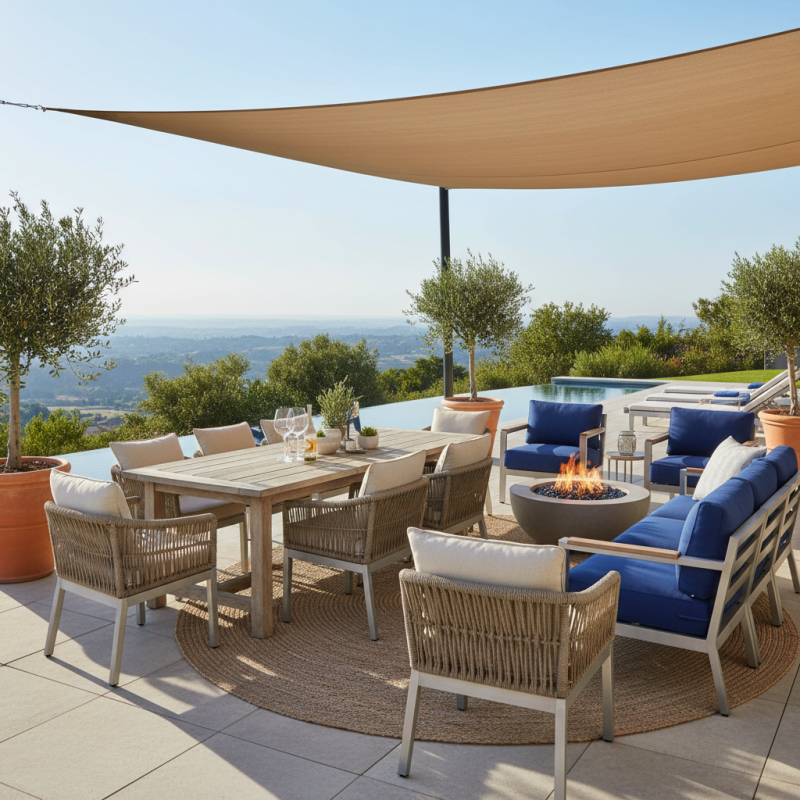
Understanding Your Outdoor Space and Needs
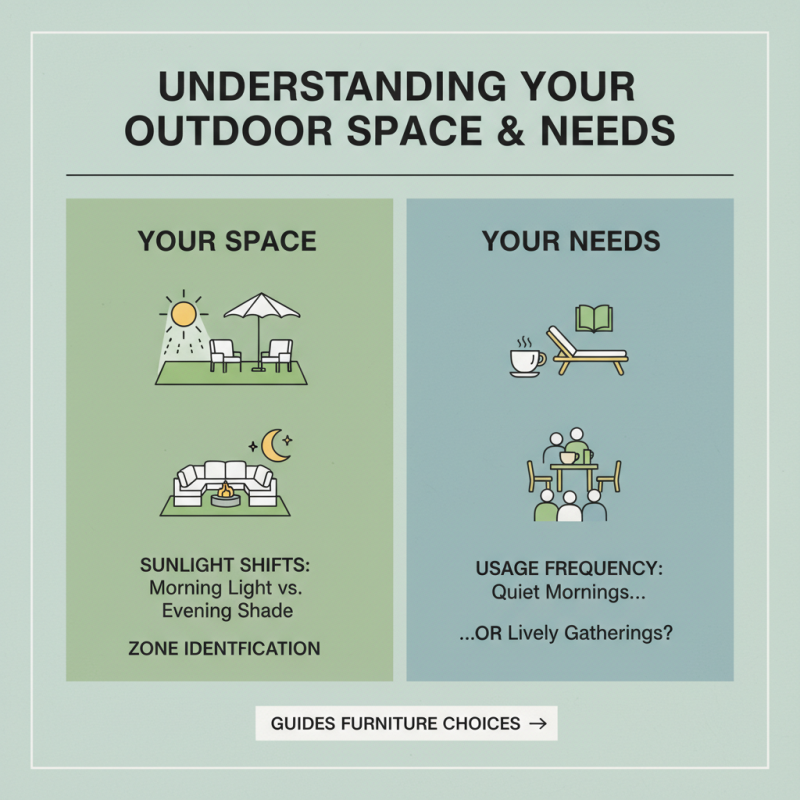
Choosing the right outdoor furnishings starts with understanding your space. Observe how sunlight shifts across your yard. Identify the areas that receive morning light versus evening shade. It’s essential to determine how often you use the space. Is it for quiet mornings or lively gatherings? These factors will guide your choices.
Next, assess your needs. Do you prefer seating for relaxation or a dining area for entertaining? Consider the climate in your area. If you experience frequent rain or strong winds, durability is key. Look for materials that withstand harsh weather but also feel inviting. Don't overlook storage solutions. Cushions can wear quickly if left outside. A thoughtful approach to your outdoor layout enhances both function and aesthetics.
Many overlook the importance of functionality. You might fall in love with a design but find it doesn't suit your lifestyle. Reflect on how each piece will fit into your daily routines. It’s okay to have doubts. Sometimes, what looks good in a showroom may not work at home. Take your time and revisit ideas. Outdoor spaces should evolve alongside your needs and tastes.
Choosing Durable Materials for Outdoor Furnishings
Choosing the right materials for outdoor furnishings is crucial for durability and aesthetic appeal. A report by the American Institute of Architects highlights that improper material selection can lead to significant replacements, costing homeowners about 15% more. When selecting outdoor furniture, focus on materials resistant to weather elements, such as aluminum and teak. These materials not only resist rust but also withstand heavy rain and sun exposure.
Tips: Look for UV-resistant finishes to prevent fading. Always consider the local climate when selecting materials. For instance, hardwoods like teak are great for moderate climates, while composite materials work well in harsher conditions.
However, some materials may initially seem appealing but do not hold up over time. For example, low-cost plastics can become brittle under UV exposure and may charm owners initially. This can lead to frequent replacements, ultimately increasing costs. Research shows that investing in quality materials can save up to 30% in long-term expenses. Always weigh short-term savings against long-term durability when thriving for the perfect outdoor space.
2026 How to Choose Outdoor Furnishings That Last and Impress? - Choosing Durable Materials for Outdoor Furnishings
| Material Type | Durability (Years) | Maintenance Level | Weather Resistance | Aesthetic Appeal |
|---|---|---|---|---|
| Teak Wood | 25+ | Low | Excellent | High |
| Aluminum | 15-20 | Minimal | Good | Medium |
| Wicker/Rattan | 5-10 | Moderate | Fair | High |
| Stainless Steel | 20+ | Low | Excellent | Medium |
| Plastic | 5-10 | Low | Good | Low |
Design and Style Considerations for Outdoor Furniture
When choosing outdoor furniture, design and style are crucial. A harmonious blend of materials can elevate your space. Consider wood, metal, and wicker. Each material offers a unique charm and durability. Wooden furnishings provide warmth and a classic look. Metal adds a sleek, modern touch. Wicker can create a cozy, inviting atmosphere.
Color palette matters too. Neutral tones allow for versatility. Bold colors can make a statement. However, be cautious. Too many bright colors may clash or overwhelm. Textures also play a significant role. Smooth surfaces can feel cold.
Opt for cushions or throws to add softness. Functionality shouldn’t be overlooked. Are the pieces easy to move? Will they withstand weather changes? Reflection on these questions is necessary.
Don’t hesitate to seek advice from professionals. Their insights can guide you toward timeless selections. Outdoor spaces should blend style with comfort. Strive for a balance that reflects your personal taste and lifestyle.
Maintenance Must-Knows for Lasting Outdoor Furnishings
Choosing outdoor furnishings requires attention to maintenance. Whether you have wooden, metal, or synthetic materials, proper care can ensure longevity. Regular maintenance extends the life of your furniture and keeps it looking fresh.
Wooden furniture needs periodic sealing to resist moisture. Check for signs of wear. Sand rough spots to prevent splinters. It’s tempting to leave it until next spring, but that can lead to bigger problems.
Metal pieces can rust. Regularly wipe them down and apply a protective coat. Inspect for scratches and dents. They can lead to corrosion if neglected. For synthetic furniture, quick clean-ups with soap and water are essential. Deep cleaning biannually keeps it in top shape.
Tips: Consider using furniture covers during harsh weather. This prevents dirt accumulation and prolongs life. Don’t underestimate the power of regular inspections. Finding small issues early can save you from costly repairs later. Balancing attention to detail with practical habits is key.
Eco-Friendly Options for Sustainable Outdoor Furniture Choices
Choosing eco-friendly outdoor furnishings benefits both the environment and your space. Many consumers now prioritize sustainability. A recent survey by the American Society of Landscape Architects indicates that 65% of homeowners are inclined to choose eco-conscious materials when furnishing their outdoor areas. This growing trend reflects an increased awareness of climate change and environmental conservation.
Materials such as reclaimed wood are gaining popularity due to their minimal environmental impact. Reclaimed wood reduces the need for deforestation, a major contributor to habitat loss. Additionally, metal options like aluminum and steel are often recycled and can be long-lasting. However, it’s crucial to verify the source of these materials. Not all recycled options are created equal; some may involve energy-intensive processes that counteract their green initiatives.
Moreover, it's essential to consider maintenance. Eco-friendly furniture often requires specialized care to ensure longevity. Untreated wood, while attractive, may need regular oiling or staining to prevent weather damage. Without proper attention, even the best materials could deteriorate quickly, defeating their purpose. Reflecting on these factors can inform your purchasing decisions and ensure you select furnishings that are both beautiful and sustainable.
Related Posts
-
Ultimate Guide to Choosing the Best Outdoor Comfortable Furniture for Your Space
-
Choosing the Right Manufacturer for Your Best Outdoor Home Collection Needs
-
Global Market Trends 2025: Exploring Luxury Outdoor Furniture for International Buyers
-
How to Select a Premium Manufacturer for the Best Outdoor Tables: Key Insights and Data-Driven Tips
-

Ultimate Comparison of Best Site Furniture Options for Your Outdoor Spaces
-
Transform Your Backyard with Stylish Yet Durable Outdoor Furnitures for Every Season

Catalog
Replacement Cushions
New Jersey Catalog